
Loading...
Serving Sparks, NV and surrounding areas. (775) 510-0154
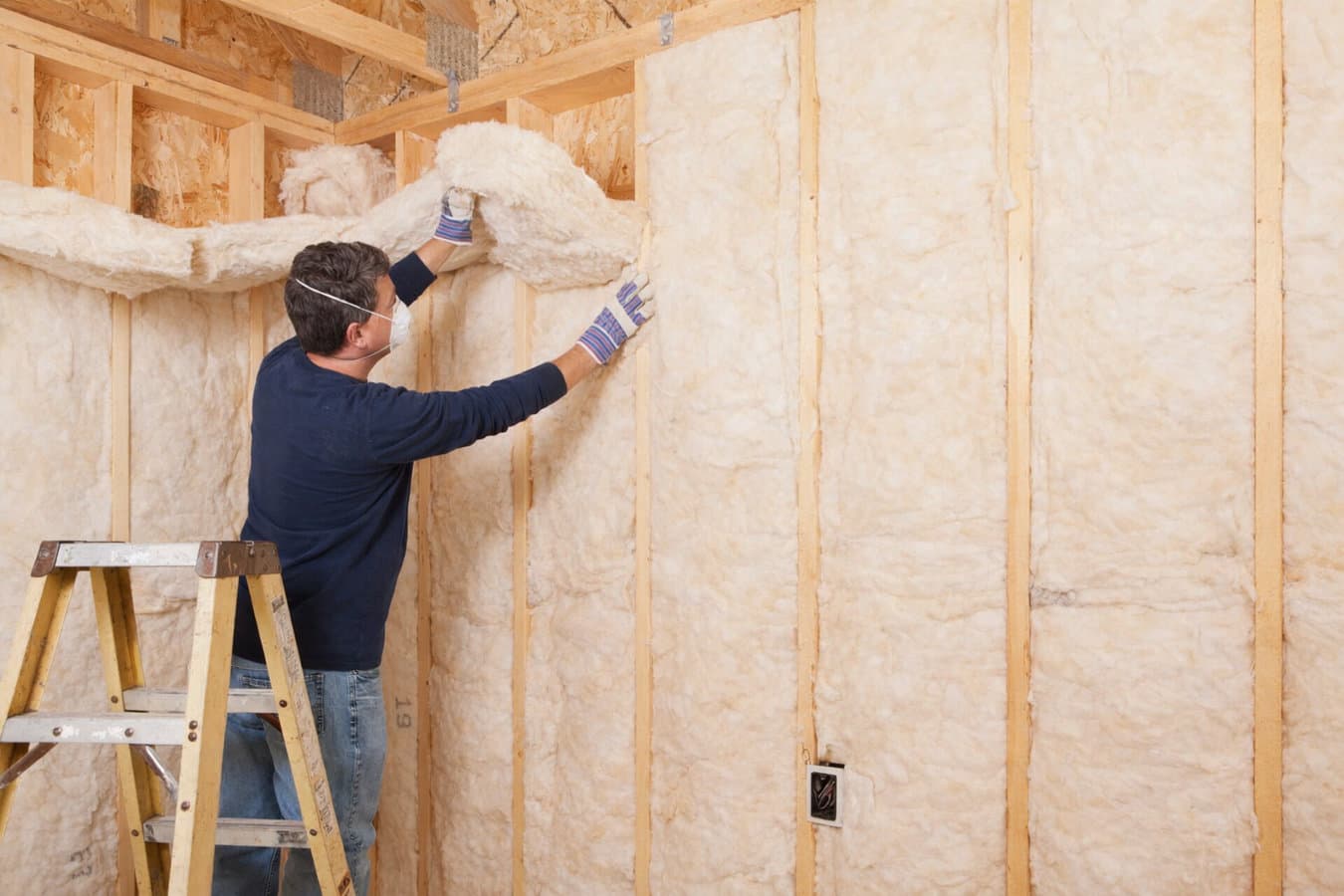
Sparks summers hit 100 degrees and winters drop below freezing. If your walls are under-insulated, your heating and cooling system is working twice as hard as it should. We fix that.
Wall insulation in Sparks, NV slows the transfer of heat through your exterior walls, keeping the desert heat outside in summer and the warmth inside in winter - most jobs on a typical single-story home are complete in one day, with patching included.
Your walls are the largest surface area separating your living spaces from the outside, which makes them one of the most important places to address when energy bills are climbing or certain rooms never feel right. In Sparks, where the temperature difference between a summer afternoon and a winter night can exceed 100 degrees across the year, thin or missing wall insulation is one of the most common and most correctable sources of energy loss.
Many homeowners in older Sparks neighborhoods schedule wall insulation alongside blown-in insulation in the attic, since both use the same loose-fill process and can often be done in a single visit. If you also want to address the air leaks that let conditioned air escape through gaps around outlets and framing, our air sealing services page explains how the two projects work together.
If your air conditioner runs almost constantly in July and August but your home still feels warm inside, your walls may be letting heat in faster than your system can push it out. Sparks summers regularly exceed 100 degrees, and thin wall insulation is one of the clearest reasons AC systems struggle. If neighbors in similar homes are paying noticeably less, the gap is worth investigating.
If a bedroom or living area on an exterior wall feels significantly warmer in summer or drafty in winter compared to the rest of the house, the wall insulation in that area is likely the culprit. This uneven comfort pattern is one of the most common complaints from homeowners in older Sparks neighborhoods before insulation work is done.
On a hot summer afternoon or a cold winter night, press your hand flat against an interior surface of an exterior wall. If it feels noticeably warm or cold rather than close to room temperature, heat is moving through that wall more freely than it should. Well-insulated walls stay near room temperature on the inside surface regardless of outdoor conditions.
Homes built in Sparks during the 1970s, 1980s, and 1990s were insulated to the standards of that era, which fall well below what is recommended for the northern Nevada climate today. If you have lived in your home for years and cannot recall any insulation work, or if a home inspection did not mention recent upgrades, there is a reasonable chance your walls are under-performing.
The right approach for your walls depends on one main factor: whether the drywall is already up. For finished walls, we use dense-pack blown-in insulation, drilling small access holes at regular intervals, filling each cavity completely, then patching and painting. For open walls during a renovation, we install batt insulation between the studs before the drywall goes up. Both methods can deliver good results; the choice is driven by the condition of your home, not a preference for one product over another.
For homes where air leakage is as much of a problem as inadequate insulation depth, we pair wall work with our air sealing services, sealing gaps around outlets, plumbing penetrations, and wall-to-ceiling joints that let conditioned air escape. Adding blown-in material to the wall cavity stops heat transfer, but if there are gaps that air can move through freely, the insulation alone will not solve the problem. Addressing both in the same project delivers better results and often qualifies for a higher combined rebate from NV Energy.
We also serve homeowners who are mid-renovation and want to upgrade wall performance before the drywall is closed. If your attic is also part of the project, we can schedule blown-in insulation in the attic on the same day as the wall work, reducing scheduling complexity and ensuring coverage across the full building envelope in a single visit.
Best for existing homes where drywall is already up and drilling access holes is the only practical option.
Ideal for renovations or new construction where wall studs are exposed and batts can be fitted directly.
Suited to homeowners whose bills and comfort problems stem from both inadequate insulation and air infiltration.
For homeowners tackling walls and attic in one project to maximize performance and qualify for combined utility rebates.
Sparks sits at roughly 4,400 feet in the high desert, and the climate puts more stress on exterior walls than most parts of the country. Summer highs regularly push past 100 degrees while winter nights can drop well below freezing. That is a swing of more than 100 degrees across the year, and your walls are the primary barrier standing between those extremes and your living space. Homes with thin or degraded wall insulation feel this stress in both seasons. The dry conditions in northern Nevada also mean that older fiberglass batts can dry out and compress over time, losing the R-value they had when originally installed.
A large share of Sparks homes were built during the building booms of the 1970s through the 1990s, when insulation standards were far below what the Nevada climate actually demands. Many of those homes have never had wall insulation upgraded. This is particularly common in older neighborhoods near downtown Sparks and along the Pyramid Highway corridor. Homes in those areas that have been upgraded often show an immediate, noticeable difference in room comfort and monthly energy costs.
We work across the broader Reno-Sparks metro area. Homeowners in Reno face the same high-desert conditions and older housing stock as Sparks, and we serve them on the same schedule. We also work regularly in Fernley and Dayton, where rapid growth in the 2000s produced a lot of tract homes that are now at the age where insulation upgrades start making real financial sense.
We respond to all inquiries within 1 business day. When you reach out, we will ask a few basic questions about your home's age and approximate square footage so we can come prepared. There is no cost to schedule an assessment.
A technician walks through your home, checks existing wall conditions, and determines whether blown-in or batt installation makes more sense for your situation. We may use a thermal camera to identify problem areas. The visit takes 30 to 60 minutes and carries no obligation.
You will receive a written estimate that covers the scope of work, materials, and total cost. We will also tell you whether any Washoe County permits are needed and handle pulling them on your behalf. Take a day or two to compare if you are getting multiple quotes.
For blown-in work, the crew drills small access holes, fills each cavity, and patches every hole before leaving. Most single-story Sparks homes are done in one day. Floors and furniture near work areas are protected with plastic sheeting, and cleanup is part of the job. Patches are ready to paint after a day or two.
We will walk through your home, show you what we find, and give you a written quote. No obligation, no pressure.
(775) 510-0154After the work is done, we use a thermal camera to confirm every wall cavity is filled with no gaps or voids. You can see the results on the screen before we leave. This is the only reliable way to verify that blown-in work was actually done correctly.
We insulate walls in Sparks homes week after week, so we know how to fill existing cavities from the outside without tearing into your interior. We put the scope in writing before we start and document the finished job - not just a phone number that may stop being answered.
NV Energy serves Sparks and offers rebates for qualifying insulation upgrades. We know what documentation the utility requires and will help you gather it before we finish the job. That means you actually receive the rebates you are entitled to, not just a vague promise that they exist.
We have worked in older neighborhoods near downtown Sparks and in the newer subdivisions along Pyramid Highway and Spanish Springs. We know what 1980s and 1990s tract homes look like inside the walls and what approaches work on them.
Between the thermal camera verification, the permit handling, and familiarity with NV Energy rebates, we try to make this as straightforward as possible for Sparks homeowners. You should know what you are getting, why it will work, and what it will cost before any work begins. For more on national installation standards, the North American Insulation Manufacturers Association publishes installation guidelines that any contractor working on your home should be following.
Stop conditioned air from escaping through gaps around outlets, plumbing, and framing joints - the complement to wall insulation for homes where leakage is part of the problem.
Learn moreLoose-fill coverage for attics and finished wall cavities, often scheduled the same day as wall insulation to address the full building envelope in one visit.
Learn moreSummer heat is coming, and your walls are either ready or they are not. Call us now to lock in your installation date before the busy season fills the calendar.