
Loading...
Serving Sparks, NV and surrounding areas. (775) 510-0154
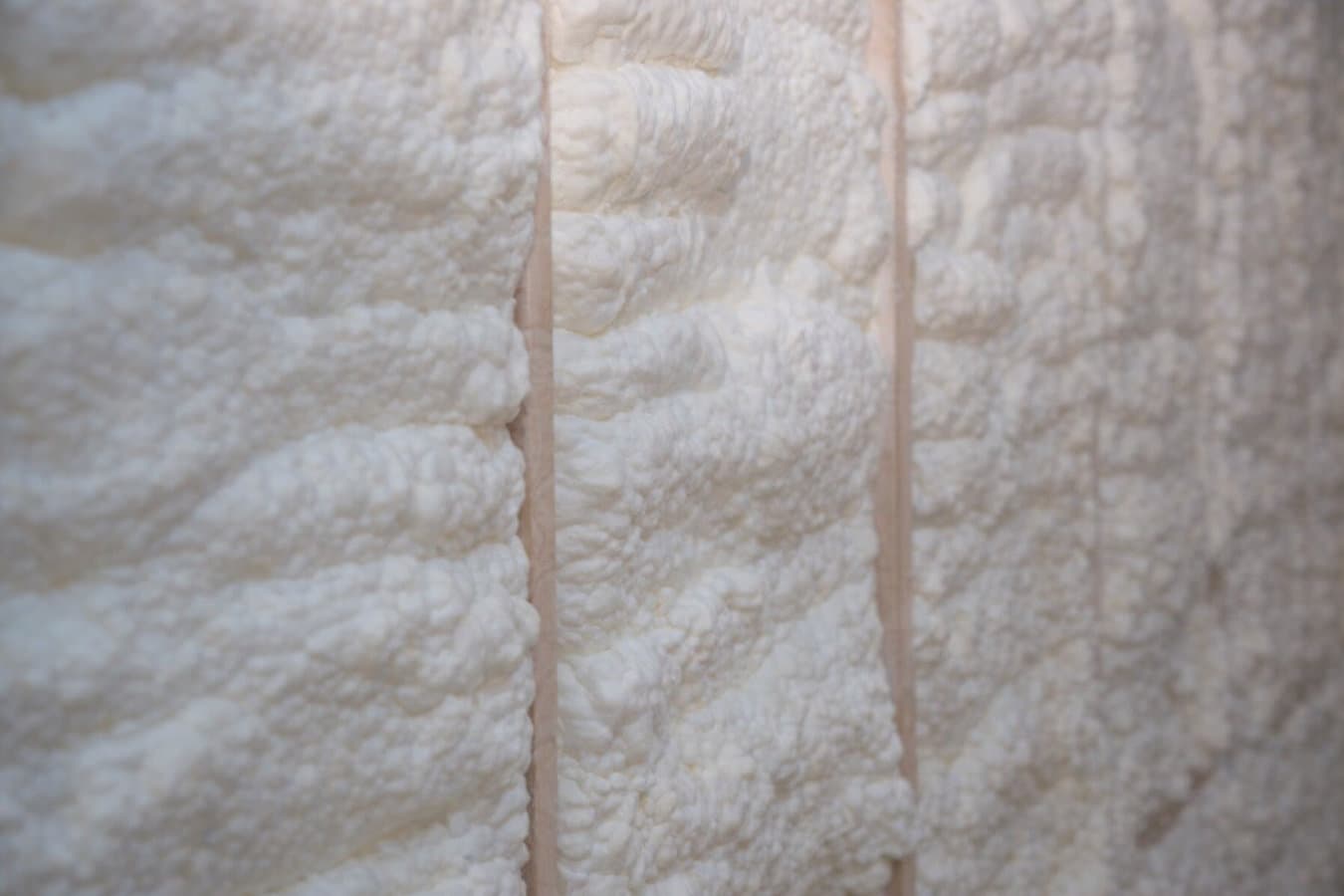
If your Sparks home is losing conditioned air through gaps and thin insulation, open-cell foam fixes both in a single installation, so your HVAC stops running overtime.
Open-cell foam insulation in Sparks, NV gets sprayed as a liquid that expands up to 100 times its original size, filling every gap while building an insulating layer at the same time - most residential attic and wall jobs are complete in one to two days.
Most insulation materials slow heat transfer but cannot stop air from flowing through gaps around outlets, pipes, and framing. Open-cell foam does both in a single application, which is the main reason homeowners in Sparks choose it over fiberglass batts or blown-in cellulose when they want a more complete result. The foam expands into every crack, sets within seconds, and creates a continuous barrier that neither settles nor compresses over time.
Homeowners who want to compare foam options often ask about our spray foam insulation page, which explains how open-cell and closed-cell products differ and which applications each suits best. If sealing your attic floor specifically is the goal alongside adding insulation, our attic air sealing page covers how that process works as a standalone service.
If your electricity bill climbs sharply when Sparks temperatures hit triple digits in July and August, or when a cold snap drops overnight temperatures into the teens, your home is likely losing conditioned air through gaps and thin insulation. You should not have to run your HVAC constantly just to stay comfortable. When your system runs all day without quite catching up, air leakage through the building envelope is often the cause.
In many older Sparks homes, one bedroom bakes in summer or a living area never quite warms up in winter even when the rest of the house feels fine. This uneven comfort is a reliable sign that insulation is missing or inadequate in specific areas, often the attic above that room or the wall cavity behind it. Open-cell foam can be targeted directly at those problem zones.
Hold your hand near an electrical outlet on an exterior wall on a windy day, or near the edge of a window frame. If you feel air moving, outside air is getting in through gaps in the wall cavity or framing. Sparks sits in a wind corridor that produces sustained gusts, and those gaps become very noticeable when the wind picks up. Spray foam seals those pathways in a single application.
If you can safely look into your attic and see the tops of the ceiling joists, your insulation has either settled, compressed, or was never adequate to begin with. Fiberglass batts and blown-in insulation lose effectiveness over time, especially given the temperature extremes Sparks experiences across the year. A layer of open-cell foam restores and significantly improves performance without the same long-term degradation.
Open-cell foam works well in attics, interior wall cavities, and crawl spaces. For attics, we spray the foam across the attic floor or against the underside of the roof deck, depending on whether you want a conditioned or unconditioned attic. For walls in existing homes, we use open-cell foam where the cavity is accessible, typically during a renovation when studs are exposed. In crawl spaces, foam seals the rim joist and band joist areas where a large share of a home's air leakage tends to concentrate.
Homeowners often ask how open-cell compares to its denser, more rigid counterpart. Our spray foam insulation page covers the full range of foam options, including where closed-cell makes more sense for applications that need both insulation and a vapor barrier in one layer. Open-cell is the better fit for most interior applications in Sparks's dry climate, where vapor management is rarely a concern and the lower cost per square foot makes it a practical first choice.
Many projects combine open-cell foam installation with targeted attic air sealing on the same day. Sealing the attic floor penetrations first, then covering the attic floor with insulation, delivers a better result than either step done alone. We schedule these as combined projects regularly to reduce disruption and ensure complete coverage in one visit.
Best for homeowners who want insulation and air sealing handled in a single pass across the attic floor or roof deck.
Suited to renovations where studs are exposed and a thorough, gap-free insulation layer is the goal before drywall closes.
Targets the band and rim joist area where air infiltration in slab-edge and crawl space homes is typically highest.
Ideal for homeowners tackling both insulation depth and air leakage in a single project to maximize comfort and utility savings.
Sparks sits at roughly 4,400 feet in the high desert, and the climate swings hard in both directions. Summer highs regularly push past 100 degrees Fahrenheit while winter nights can drop below 20 degrees. That 80-plus-degree seasonal range puts serious stress on any insulation system, and it means air leaks that might be a minor nuisance in a milder climate become a major source of energy waste and discomfort here. Open-cell foam's ability to seal every gap while building a continuous insulating layer makes it particularly well-suited to this environment.
Sparks's desert air is also dry enough that the vapor permeability of open-cell foam, sometimes cited as a drawback in humid climates, is rarely a concern here. Homeowners in established neighborhoods built during the 1960s through 1980s, many of which were constructed with minimal insulation by today's standards, benefit most from a retrofit. Open-cell foam fills the gaps that older fiberglass or blown-in insulation leaves behind as it settles and compresses over decades. Because spray foam is only as good as the crew applying it, we put the full scope in writing and document the finished job so you can see exactly what was installed.
We serve homeowners across the broader Truckee Meadows area. Customers in Reno face the same high-desert conditions as Sparks and represent a large share of our work. We also serve homeowners in Spanish Springs neighborhoods and in Fernley, where the newer subdivisions built in the 2000s are now at the age where insulation upgrades make strong financial sense.
We will ask a few basic questions about your home - the area you want insulated, whether it is an attic, walls, or crawl space, and roughly how old the home is. Most estimates in the Sparks area are free and take 30 to 45 minutes. We reply within one business day.
We visit your home, measure the space, check the current insulation condition, and confirm whether a permit is needed. You receive a written quote that specifies the area to be covered, the foam thickness, and the total price before any work is scheduled.
Clear the work area and plan for your household and pets to be out of the home on installation day and overnight. The foam expands and sets quickly, but the curing period means the space should remain unoccupied for at least 24 hours. We walk you through the full checklist at the estimate visit.
Our crew arrives with spray equipment, sets up protective coverings, and applies the foam in layers. The spraying itself goes quickly; setup and cleanup add time to the overall day. Before leaving, we walk you through the completed work, confirm the re-entry time, and provide any warranty documentation in writing.
Free estimate, no obligation. We will come out, look at the space, and give you a written quote you can compare against anyone else.
(775) 510-0154Spray foam depends entirely on the installer controlling the mix, temperature, and cure. Our crews apply open-cell foam across the Sparks area every week, and we document each job so you can see the coverage and depth for yourself - not just our word for it.
Spray foam is one of the few insulation methods where the result is fully visible before it gets covered. We walk every customer through the completed foam application and provide photos. You can see the coverage for yourself, not just take our word that it was done right.
Depending on your project scope, Washoe County may require a building permit. We know which projects trigger that requirement and handle the application on your behalf. A permit means an independent county inspector verifies the work meets local building standards, which protects your home's resale value.
We follow installation practices aligned with the Spray Polyurethane Foam Alliance, the national trade body for spray foam contractors. That means consistent foam thickness, no voids, and proper off-gassing protocols communicated in writing before we start. See the SPFA's quality guidelines at sprayfoam.org.
Sparks homeowners who have had foam work done before often tell us the biggest difference is in the follow-through: a written re-entry timeline, a walkthrough of the finished foam, and a contractor who picks up the phone. That is what we do on every job, whether it is a small crawl space or a full attic.
Plug the hidden gaps in your attic floor that let conditioned air escape, so your foam insulation performs to its full potential.
Learn moreExplore the full range of spray foam options, including closed-cell applications for spaces that also need a moisture barrier.
Learn moreSummer heat is coming. Schedule your assessment now and go into the hottest months with a tighter, more efficient home.