
Loading...
Serving Sparks, NV and surrounding areas. (775) 510-0154
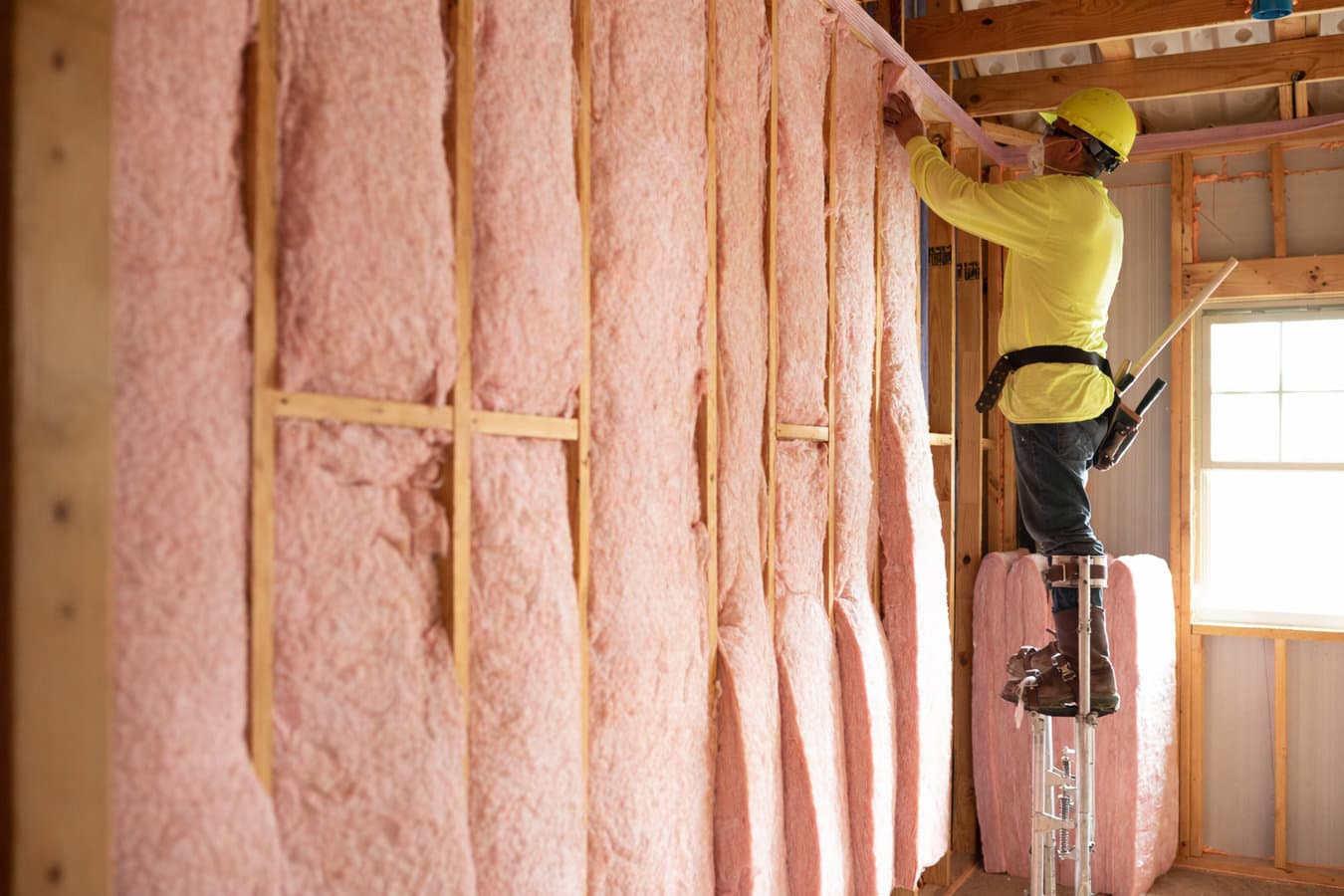
Your home was built when insulation standards were much lower. We bring it up to where it should be, working around what is already there, so you stop losing money through the ceiling and walls every month.
Retrofit insulation in Sparks adds insulation to a home that is already built, filling attic floors, wall cavities, and crawl spaces without tearing out finished surfaces. Most projects on an average Sparks home are completed in one to three days, and homeowners stay in the house throughout.
A large share of homes in Sparks were built during the rapid growth periods of the 1970s through the 1990s. Those homes were insulated to the standards of the time, which were far lower than what the Department of Energy now recommends for a Climate Zone 5 location like Sparks. Even if the original work was done correctly, insulation materials from that era have had 30 to 50 years to compress and lose effectiveness. Retrofit insulation is how you bring that older home up to where it should be performing today.
Many homeowners combine this service with a whole-home insulation review to identify all the areas worth addressing before prioritizing where to start.
If your NV Energy bill climbs dramatically when Sparks hits its summer highs or winter lows, that is one of the clearest signs your home is not holding conditioned air the way it should. A well-insulated home is much easier for your heating and cooling system to maintain at a comfortable temperature. This pattern is especially common in homes built before 2000 in the Sparks area.
If a room is always too hot in July or too cold in January, even when the rest of the house feels fine, that room likely has an insulation gap or a drafty wall cavity. In Sparks, where the temperature difference between inside and outside can reach 50 or more degrees on a summer afternoon, a poorly insulated room becomes nearly unusable. This is something you can feel without any special equipment.
Take a flashlight and look through your attic access hatch. If you can clearly see the wooden beams running across the attic floor, your insulation is almost certainly too thin for Sparks's climate zone. The insulation should cover those beams entirely. If it does not, you are losing a significant amount of heating and cooling through your ceiling every day.
Sparks grew quickly in these decades, and many homes were built to the standards of the time, which are well below today's recommendations. Even if the original insulation was installed correctly, it has likely compressed over 30 to 50 years. Age alone is a strong reason to have a contractor take a look and measure what is actually there.
The attic is almost always the first area a contractor will address in a retrofit project, because it is where the most heat escapes in winter and where the most heat enters in summer. Blowing insulation into an attic is fast, minimally invasive, and provides the clearest return on investment. Before new material goes in, a good contractor air-seals gaps around light fixtures, plumbing penetrations, and wiring runs, because adding insulation on top of those gaps without sealing them first leaves a significant portion of the performance gain on the table.
Wall cavities in finished homes are filled using a drill-and-fill method. Small holes are made in the exterior siding or interior drywall, loose insulation is blown in to fill the cavity, and the holes are patched. The result is a wall that performs far better than an empty cavity. Many homeowners pair this with a broader home insulation evaluation to confirm which walls have gaps before any holes are drilled.
Crawl spaces are addressed by adding insulation between the floor joists or by encapsulating the crawl space and insulating the walls. The right approach depends on whether the crawl space is vented or sealed. Homes that combine crawl space work with commercial insulation upgrades on an adjacent structure can often schedule both in a single visit. The ENERGY STAR Seal and Insulate program provides additional guidance on the order of operations that produces the best results.
Best for homes where the attic floor is visible through the access hatch and energy bills spike every summer and winter.
Suited for homes with empty or under-filled wall cavities where rooms feel drafty or temperature-inconsistent despite a working HVAC system.
Ideal for single-story Sparks homes on a crawl space foundation where floors feel cold in winter or moisture has been a concern.
Sparks sits at roughly 4,400 feet in the high desert, where summer highs regularly push past 100 degrees and winter nights drop well below freezing. That kind of temperature range is one of the most demanding environments insulation has to handle, and it does so in both directions, every year. Sparks falls in Climate Zone 5, which calls for significantly more attic insulation depth than homes in milder climates like the Pacific Coast or the Southeast. Homes in this zone that were built to the 1980s standard are operating with a fraction of the thermal protection they actually need.
The dry desert air also works against older insulation materials. Older fiberglass batts in particular tend to dry out, compress, and lose effectiveness faster in low-humidity climates than they would in a wetter region. If your home has original insulation from the 1980s or earlier, it may be providing far less protection than it once did, even if it has never been disturbed. Homeowners in Sparks and the surrounding Truckee Meadows area benefit from a climate-specific assessment rather than a generic quote.
NV Energy, which serves the Sparks area, has offered rebate programs for homeowners who upgrade insulation as part of an energy efficiency improvement. Homeowners in areas like Reno and Fernley are also in NV Energy's service territory and can take advantage of the same programs. Checking current program availability before your project starts can meaningfully reduce what you pay out of pocket.
We ask a few basic questions about your home's age, which areas concern you, and whether you have noticed comfort or billing issues. You do not need to know anything technical. We reply within one business day.
We visit your home, measure current insulation depth in the attic and any accessible wall cavities, and check for air sealing gaps. In Sparks, we also confirm proper attic ventilation, since ventilation and insulation work together in this climate. This visit is free and typically takes 30 to 60 minutes.
You receive a written quote that specifies which areas will be treated, what material will be used, the target depth or fill coverage, whether air sealing is included, and the total cost. We encourage you to get two or three quotes so you can compare on equal terms.
On the work day, the crew sets up outside and runs hoses into the attic or wall cavities. Most attic projects finish in a few hours. When done, we walk you through the attic so you can see the finished depth and confirm the work meets what was quoted. Any wall patches are completed before the crew leaves.
We provide free written estimates with no sales pressure. You will know the full scope and cost before we schedule any work.
(775) 510-0154We retrofit insulation in existing Sparks homes, so we know how to work around finished walls and older construction without tearing your house apart. We put the scope in writing before we start and document the finished work, so you know exactly what was added and where.
Sparks sits in a climate zone that requires more attic insulation depth than most of the country. We measure what is already in your attic, compare it to the current recommended depth for this zone, and quote to that standard. We do not offer shortcuts that leave your home under-insulated relative to what this climate demands.
Adding insulation on top of unsealed gaps around light fixtures and pipe penetrations leaves a significant portion of the performance on the table. We air-seal before we insulate on every attic project, because that is how the job is supposed to be done. It is not a separate line item.
NV Energy's rebate programs and the federal tax credit for insulation improvements both require specific documentation. We provide everything you need before we leave: product receipts, installation records, and any rebate forms. You will not be scrambling for paperwork when it matters.
Retrofit insulation is one of the few home upgrades you can actually verify yourself after the work is done. Look into your attic hatch: the insulation should be deep and even, covering the joists completely. We will show you what it looks like before and after so you know exactly what you paid for. The U.S. Department of Energy provides clear guidance on what a properly done job looks like for homeowners who want an independent reference.
For business owners in the Reno-Sparks area, commercial insulation upgrades address the same thermal performance gaps in office, warehouse, and retail buildings.
Learn moreA whole-home insulation review covers every zone, including the attic, walls, and crawl space, for homeowners who want a complete picture before deciding where to start.
Learn moreSparks summers start early and hit hard. Getting your home insulated now means your AC is not fighting an uphill battle through June, July, and August.