
Loading...
Serving Sparks, NV and surrounding areas. (775) 510-0154
Sparks Insulation is an insulation contractor serving South Lake Tahoe, CA with spray foam, attic insulation, crawl space services, and air sealing for cabins, A-frames, primary residences, and vacation homes throughout the South Lake Tahoe basin. We work on older mountain homes that face heavy snow loads, ice dam problems, and the moisture challenges that come with living at 6,200 feet. We respond to every estimate request within 1 business day and are available 24/7.
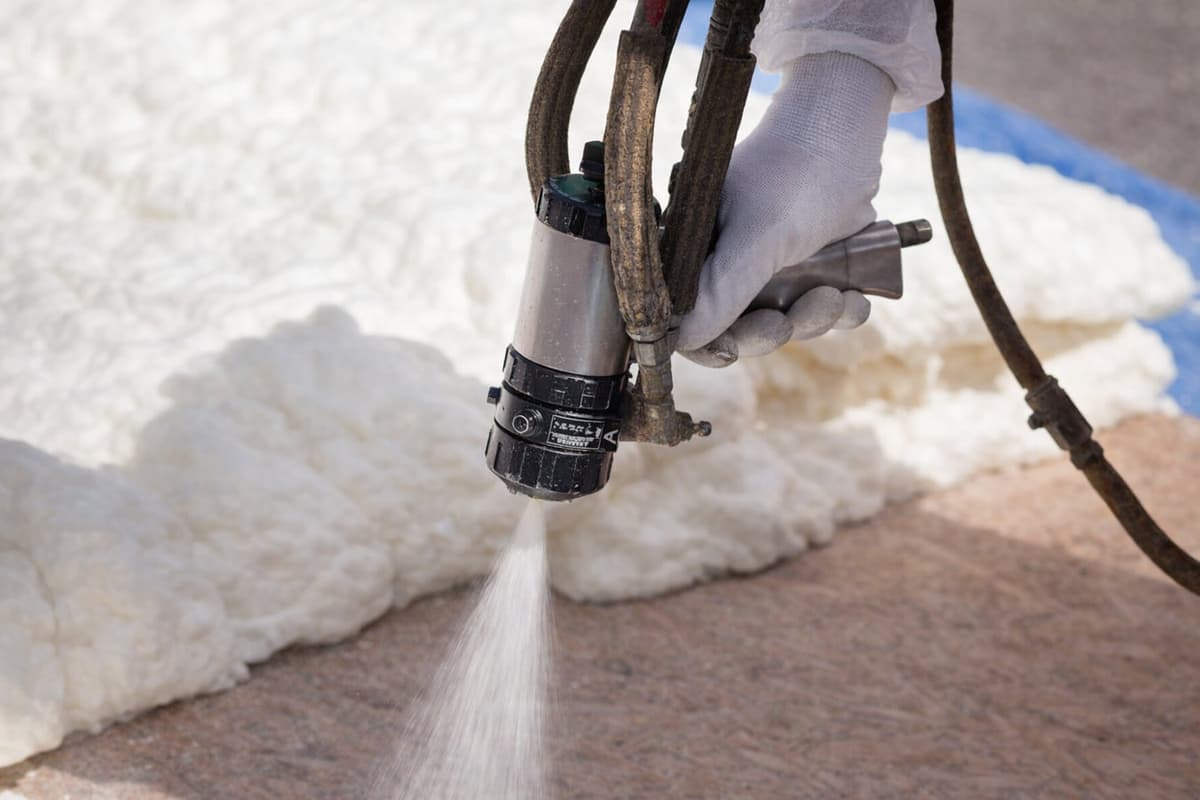
South Lake Tahoe's A-frames and cabin-style homes have complex roof geometries and older framing that leave gaps where standard batt or blown-in insulation cannot reach. Our spray foam insulation seals and insulates in a single application, which is especially valuable under cathedral ceilings and at the roof deck where ice dams start and where air infiltration lets in the cold, damp air that follows a heavy storm.
Homes built in South Lake Tahoe during the 1950s through 1970s routinely have attic insulation that was never adequate for this climate zone. At 6,200 feet with an average of 125 inches of snow per year, the attic is the first place heat escapes, the first place ice dams form, and the first place to upgrade when a home has cold rooms, high heating bills, or water stains near the eaves.
Spring snowmelt in the Sierra Nevada moves a lot of water through South Lake Tahoe neighborhoods quickly, and homes on low-lying lots or near streams can see crawl spaces flood or accumulate standing moisture. An insulated crawl space with a proper vapor barrier keeps that moisture from migrating upward into floor joists and subfloor, which is especially important for vacation homes that may sit empty and unheated during part of the winter season.
Wood-frame cabins and A-frames in South Lake Tahoe develop air leaks as the structure moves through decades of heavy snow loads and freeze-thaw cycles. Sealing the attic floor penetrations, rim joists, and wall top plates before adding insulation makes every other upgrade more effective, and it is the primary reason two homes with the same insulation depth can perform very differently in a Sierra Nevada winter.
For South Lake Tahoe homes with accessible attic space, blown-in insulation is a practical way to increase depth and coverage without disrupting the living space below. It conforms around pipes, ducts, and framing irregularities that are common in older mountain cabins, and it can be added over existing material when removal is not necessary.
South Lake Tahoe sits at approximately 6,200 feet on the southern shore of Lake Tahoe, and the climate here is nothing like the lower elevations to the west or the high desert to the east. The city averages around 125 inches of snow per year, and heavy storm years bring significantly more. That snow sits on roofs for weeks at a time, and homes with under-insulated or poorly sealed attics develop ice dams at the eaves that force water under shingles and into wall cavities. The freeze-thaw cycle, which happens repeatedly each winter and into spring, opens cracks in concrete flatwork, shifts foundations on the sandy glacial soils, and works loose any caulk or flashing that was not installed with this kind of movement in mind.
Most of the housing in South Lake Tahoe was built during the postwar ski-resort boom of the 1950s, 1960s, and 1970s. These are wood-frame A-frames, cabins, and ranch-style homes that are now 50 to 70 years old, insulated to standards that fell well short of what California's Title 24 energy code now requires for this climate zone. A large share of properties are vacation rentals or second homes, which means the people who own them are often not on-site to notice when a small problem is developing. The combination of heavy use during peak rental seasons and long periods of vacancy creates a specific maintenance challenge: problems that would be caught quickly in a primary residence can go unaddressed for months.
The city also sits right on the California-Nevada state line, and properties on each side fall under different building codes and permit jurisdictions. The California side is governed by the City of South Lake Tahoe, while Nevada-side properties in the Stateline area fall under different county authority. Knowing which set of requirements applies to a given address before pulling a permit is a basic operational requirement for any contractor who works regularly in this area.
Insulation permits on the California side of South Lake Tahoe run through the City of South Lake Tahoe Building Division, and we are familiar with the requirements and inspection process that office follows. The A-frames and cabins we work on throughout the basin have roof structures and framing details that require different approaches than a flat-ceiling ranch house, and spray foam in particular demands accurate prep work to perform correctly in a high-snow, high-UV mountain environment.
US-50 is the main corridor through South Lake Tahoe, running along the south side of the lake and connecting the city to the casino hotels at Stateline on the Nevada border. Heavenly Mountain Resort sits directly above town, and homeowners near the gondola base tend to be in the denser, higher-traffic part of the city. Properties further from the resort, out toward the quieter streets near the lake or in the surrounding neighborhoods off Pioneer Trail and Tahoe Mountain Road, are generally less dense and include more of the older wood-frame cabins where insulation is most overdue. We also serve Incline Village, NV on the north shore of the lake, and homeowners traveling the lake loop between the two communities are well within our regular service area.
A meaningful portion of the homes we see in South Lake Tahoe are vacation rentals or second homes whose owners are not locally based. We work directly with out-of-town owners regularly and can coordinate access, scheduling, and communication without requiring the homeowner to be on-site. For absentee owners, a pre-season insulation inspection and upgrade before winter arrives is one of the most effective steps toward protecting a property that will sit unoccupied for stretches of the cold season.
Call us directly or use the online form and we will respond within 1 business day. We ask about the home's age, whether it is a primary residence or vacation property, and what symptoms you are seeing, such as ice dams, cold rooms, or high heating bills.
We inspect the attic, crawl space, and any areas of concern and provide a written estimate with no obligation. For vacation home owners who cannot be present, we can coordinate access with a property manager or trusted contact and send you the assessment and estimate remotely.
We schedule the job around your availability and the property's rental calendar. Most attic and crawl space projects in South Lake Tahoe are completed in one to two days. You or a designated contact can be present, but it is not required.
We protect the interior during work and clean up completely before leaving. If you are not on-site, we can provide photos of the completed installation and a written summary of what was done, which is useful for insurance documentation or property management records.
We serve South Lake Tahoe year-round, including vacation homes whose owners are not locally based. No pressure, no obligation.
(775) 510-0154South Lake Tahoe is a small mountain city of about 22,000 full-time residents located on the southern shore of Lake Tahoe, right on the California-Nevada state line at approximately 6,200 feet elevation. The city's economy is built around tourism, with Heavenly Mountain Resort driving winter ski traffic and the lake drawing visitors for hiking, boating, and camping in summer. The result is a local housing market where a significant share of homes are vacation rentals or second properties, occupied heavily during peak seasons and quiet for stretches in between.
The dominant housing style is wood-frame A-frames and mountain cabins built during the postwar ski-resort boom of the 1950s, 1960s, and 1970s. Most residential lots are heavily wooded, often backing up directly to national forest land. Neighborhoods range from the denser commercial and resort area along US-50 near the Stateline casinos to quieter residential streets in the Tahoe Keys area near the water and the elevated neighborhoods above Pioneer Trail. Most of the older housing stock was never updated to meet current California energy standards, and the combination of heavy snow loads and decades of freeze-thaw cycles has taken a toll on roof assemblies, crawl spaces, and building envelopes throughout the city.
Homeowners looking for service options in the broader Lake Tahoe region will find that we also serve Incline Village on the Nevada north shore, where the same high-elevation climate conditions and older mountain cabin housing stock create similar insulation needs. Whether the property is a primary home, a rental cabin, or a condo near Heavenly, the insulation challenges in this part of the Sierra Nevada are specific to this elevation and this building era, and they require a contractor who works here regularly rather than one who is making a special trip.
Spray foam seals air leaks and insulates in one step for lasting energy savings.
Learn moreProper attic insulation keeps conditioned air inside and reduces heating and cooling costs.
Learn moreBlown-in insulation fills gaps and hard-to-reach areas quickly with minimal disruption.
Learn moreWhole-home insulation solutions that improve comfort in every room, every season.
Learn moreSafe removal of old, damaged, or contaminated insulation before a fresh installation.
Learn moreInsulating your crawl space prevents moisture problems and cold floors throughout the home.
Learn moreWall insulation reduces noise and drafts while improving year-round thermal performance.
Learn moreAir sealing closes gaps and cracks that allow conditioned air to escape the building envelope.
Learn moreBasement insulation controls moisture and makes below-grade spaces more comfortable.
Learn moreClosed-cell spray foam provides the highest R-value per inch and acts as a vapor barrier.
Learn moreOpen-cell foam expands to fill cavities completely and provides excellent sound dampening.
Learn moreSealing attic bypasses stops conditioned air from escaping through the ceiling.
Learn moreA vapor barrier under the crawl space keeps ground moisture from entering the home.
Learn moreProfessional vapor barrier installation protects insulation and structural materials from moisture damage.
Learn moreRetrofit insulation upgrades existing walls and ceilings without major construction work.
Learn moreCommercial insulation services designed to meet the performance and code requirements of business facilities.
Learn moreServing these cities and communities.
Call us today or request a free estimate online. We serve South Lake Tahoe year-round and respond to every inquiry within 1 business day.