
Loading...
Serving Sparks, NV and surrounding areas. (775) 510-0154
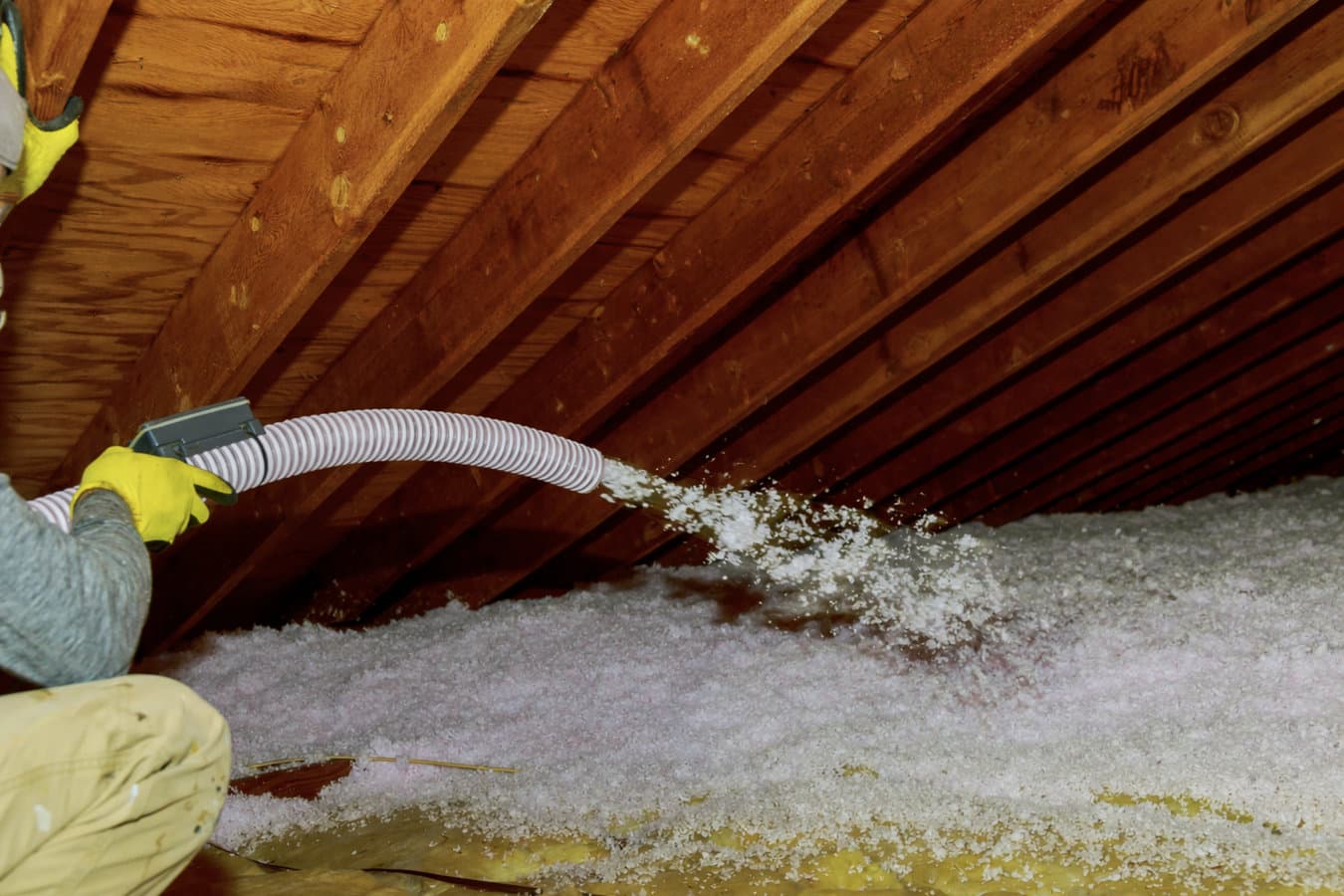
Your attic has gaps and corners that batt insulation simply cannot reach. Blown-in material fills every space completely, so heat stays out in summer and warmth stays in all winter.
Blown-in insulation in Sparks fills your attic or wall cavities with loose material that conforms to every gap and corner, creating a complete thermal barrier -- most residential attic jobs finish in two to four hours and require no permits for a straightforward top-up.
Unlike batt insulation, which comes in pre-cut blankets that leave gaps around pipes, wires, and irregular framing, blown-in material settles into every space. For Sparks homes built in the 1970s through 1990s -- where framing is rarely perfectly uniform and original insulation has had decades to compress -- this difference matters. Many homeowners in the area first realize they have a problem when their AC runs constantly in July and their bills still climb. If you are also concerned about air gaps, our attic insulation service combines blown-in coverage with a full assessment of your attic's air sealing needs.
The U.S. Department of Energy recommends R-38 to R-60 for attics in Nevada's climate zone -- roughly 13 to 16 inches of blown-in material. If your home is older, it almost certainly has less.
An under-insulated attic acts like a heat collector sitting directly above your living space. If your air conditioner runs almost constantly during peak heat and your bills still climb, the attic is often the first place to check. A well-insulated attic keeps radiant heat from pushing down into your home.
If one bedroom is noticeably hotter in summer or colder in winter than the room next to it, uneven insulation coverage is a likely cause. Blown-in insulation can settle or shift over time, leaving thin spots. This is especially common in Sparks homes built in the 1980s and 1990s.
You can check this yourself with a flashlight and a ruler. If you can see the tops of the ceiling joists through the attic hatch, your insulation has settled or was never deep enough. In Sparks's climate, most homes need at least 13 to 16 inches of blown-in material.
Sparks homes from the 1970s through 1990s were built to energy codes now considered outdated. If you have never had insulation added or replaced, you are likely losing energy through the attic every single day. This is one of the most cost-effective upgrades available for older homes in this climate.
Most blown-in jobs in Sparks are attic top-ups -- adding material over existing insulation that has settled or was never deep enough to begin with. We use either fiberglass or cellulose depending on your attic's conditions and the recommended depth for your home's size. For homes where the existing material has been compromised by moisture or pest activity, we recommend starting fresh after a thorough removal.
For older Sparks homes with walls that were never properly insulated, blown-in can be introduced through small access holes drilled from the exterior or interior, filling cavities without a major renovation. Many homeowners combine this with a broader home insulation project to address the entire building envelope in one pass.
Every blown-in job we do starts with air sealing -- closing gaps around light fixtures, plumbing penetrations, and attic hatches before any material goes in. Without that step, conditioned air bypasses the insulation entirely, and your energy bills stay high regardless of how much material is in the attic.
Homeowners looking to upgrade or top up existing attic insulation.
Older homes where walls were never properly insulated from the interior.
Best choice when drafts or high bills suggest both gaps and thin coverage.
Sparks sits at roughly 4,400 feet in a high desert basin where summer highs regularly exceed 100 degrees Fahrenheit and winter nights can drop below 20 degrees. That 80-degree daily swing puts more pressure on your home's thermal envelope than a milder climate ever would. An attic with thin or settled insulation absorbs that heat all afternoon and radiates it into your living space well into the evening, making your AC work overtime from June through September.
The Reno-Sparks area averages fewer than 8 inches of rainfall per year. While the dry conditions help prevent mold in insulation, they also cause cellulose material to settle faster than in humid climates. If your home is more than 10 years old and has never had insulation added, the original material has almost certainly compressed below the level needed to perform well in this climate. Homes in areas like Reno and Fernley face the same conditions and the same settled-insulation problem.
A large share of Sparks's housing stock dates from the 1970s through the 1990s -- a period when energy codes required far less insulation than what is now considered adequate for this climate. Many homeowners in neighborhoods near Carson City and along the older stretches of Victorian Avenue are in homes with attic insulation that has settled to well under the recommended depth. A single afternoon of blown-in work can close that gap permanently.
When you reach out, we ask a few quick questions about your home's age and size. We respond within 1 business day and can usually book a free estimate visit within a few days.
A crew member visits, measures existing insulation depth, and checks for air leaks around pipes and fixtures. You receive a written quote that separates air sealing from insulation cost.
The crew sets up their blowing machine outside and runs a hose to the attic. They air seal gaps first, then blow insulation to the correct depth. Most attic jobs in a typical Sparks home finish in two to four hours.
After cleanup, we walk you through the completed work and provide the installation summary you need for any NV Energy rebate application. No curing time needed.
We respond within 1 business day. This is a no-obligation estimate -- there is nothing to sign until you decide to move forward. After you submit, someone from our office calls to schedule a free on-site visit where we measure your current insulation and give you a written quote.
(775) 510-0154Our crews install blown-in insulation across Sparks week after week, so we know how local attics behave and what depth actually performs here. We put the scope in writing and document the materials and coverage installed, so you have a record of exactly what you paid for.
We seal gaps around light fixtures, pipes, and framing before any insulation goes in. Skipping this step means warm air bypasses the insulation entirely. Ask any contractor 'Do you air seal first?' and judge their answer carefully.
We have worked on homes across Sparks, from the older neighborhoods near Victorian Square to the newer subdivisions along Pyramid Highway. Local experience means we know what each era of Sparks housing actually needs.
NV Energy rebate applications get denied when documentation is incomplete. We provide the materials, depth, and square footage records your application requires so you capture every dollar you have earned.
Before you sign with any contractor, ask for a written scope and a clear breakdown of materials, depth, and coverage. That is exactly what we give every homeowner. We document every job, from the product used to the square footage installed, so your rebate application goes through without delays.
Whole-home insulation assessment and installation covering attic, walls, and crawl spaces.
Learn moreDedicated attic insulation service using materials and depth suited to Sparks's high desert climate.
Learn moreSparks summers are not getting cooler -- the sooner your attic is properly insulated, the sooner your energy bills reflect it.