
Loading...
Serving Sparks, NV and surrounding areas. (775) 510-0154
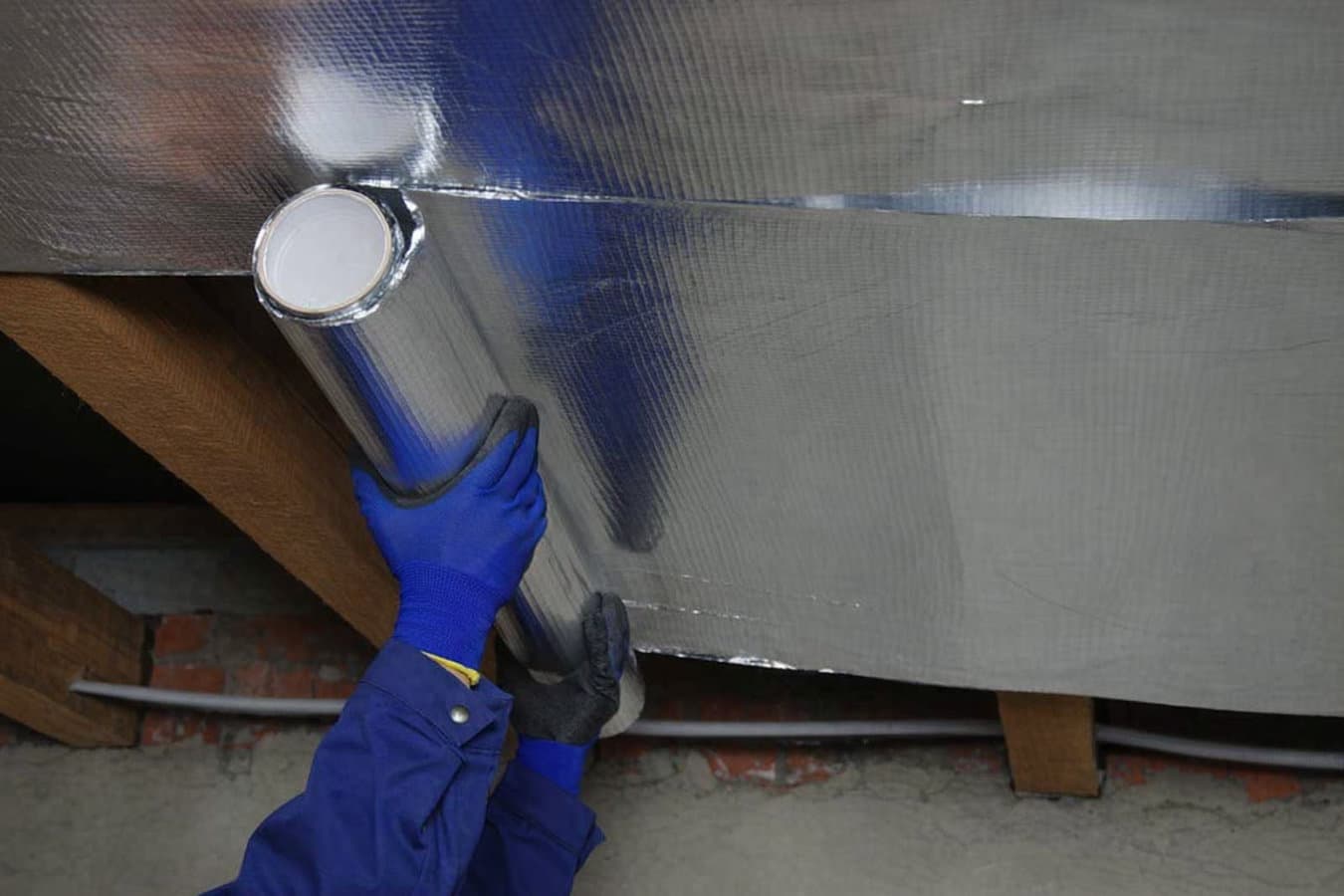
Ground moisture quietly damages floor framing, degrades insulation, and reduces air quality inside your home. A properly installed vapor barrier stops it before it reaches your living space.
Vapor barrier installation in Sparks places a sealed polyethylene liner across the crawl space floor, and in some cases the walls, to block ground moisture from migrating into the floor framing and living area above. Most installations on a standard Sparks home are completed in one full day with no disruption to your daily routine inside the house.
A large share of Sparks homes were built between the 1970s and the early 2000s, and many of those crawl spaces were never properly protected. Irrigation water soaking into the yard, temperature swings between warm days and cold nights causing condensation, and soil that naturally holds moisture all work on the underside of your home year-round. When crawl space insulation gets wet, it stops performing. When wood framing absorbs moisture, it weakens. Both problems are far less expensive to prevent than to repair.
Many homeowners combine vapor barrier installation with targeted crawl space vapor barrier work or pair it with retrofit insulation to address both moisture control and thermal performance in the same project.
Spots on your floor that feel bouncy or that have developed a subtle dip are often early signs that the wood framing below has been absorbing moisture. In Sparks homes built before 2000, this is one of the most common symptoms of a crawl space without proper moisture protection. It does not always mean structural failure is imminent, but it does mean the problem is worth addressing soon.
If you notice a damp, earthy odor most strongly in the morning or right after running your sprinklers, irrigation water is likely soaking into the soil under your home and rising up through an unprotected crawl space floor. This is a very common pattern in Sparks, where heavy summer irrigation keeps soil around foundations consistently wet even when there has been no rain.
Look through the access hatch with a flashlight during spring or fall when day-to-night temperatures swing sharply. Water droplets or rust on metal pipes and duct connections confirm that moisture levels under the floor are high. The temperature differential that creates this condensation is a daily occurrence in Sparks for several months each year.
If your Sparks home is from the 1970s through 1990s and you have no record of crawl space moisture work being done, the odds are reasonable that whatever protection was originally installed has thinned, torn, or shifted. Homes of that era were not always built with vapor barriers as standard, and the ones that were used thinner, less durable material than what is available today.
The foundation of every vapor barrier installation is the polyethylene sheeting material itself. Barriers are rated by thickness in mils, and choosing the right thickness for your crawl space is not just a cost decision. Thin 6-mil plastic works in theory but tears easily from foot traffic during future inspections or maintenance, from minor soil movement, and from any pests that access the space. A 10- to 20-mil barrier, properly overlapped and taped at every seam, provides durable protection that can last decades without needing attention.
For most Sparks homes, a floor-only installation that covers the entire ground surface and runs a few inches up the foundation walls is sufficient to stop ground moisture from rising into the framing. Seam sealing is where most poor installations cut corners; we overlap every sheet by at least a foot and tape every joint with barrier-rated tape, leaving no pathways for moisture to bypass the plastic.
When moisture has been an ongoing problem or when a homeowner wants to use the crawl space as conditioned or storage space, we extend the installation to cover the walls as well. This more comprehensive approach, sometimes called encapsulation, addresses every surface where moisture can enter. Homeowners combining this work with crawl space vapor barrier protection or retrofit insulation can often schedule both services in a single visit. According to the U.S. Department of Energy's moisture control guidance, ground cover is one of the highest-priority moisture control measures for crawl space homes.
Best for homes where ground moisture is the primary concern and the crawl space does not need to serve as conditioned or storage space.
Suited for crawl spaces with rough terrain, occasional foot traffic, or pest pressure that could puncture thinner material over time.
Ideal when moisture has been persistent, when a dehumidifier will be added, or when the crawl space will be used as part of the home's conditioned envelope.
Sparks sits at roughly 4,400 feet in the high desert and sees dramatic swings between warm days and cold nights, especially in spring and fall. That temperature difference causes condensation to form on surfaces under the floor and drives soil moisture upward even when no rain has fallen. Homes near the Truckee River corridor sit over soil that holds substantially more water than the surrounding desert, and even homes farther out are surrounded by irrigation-heavy landscaping that keeps the ground wet through the long dry summers.
Nevada's building code, which follows the International Residential Code, requires ground cover in new crawl space construction. For existing homes built before modern standards, there is no automatic enforcement, but if you undertake permitted work that touches the crawl space, an inspector may flag a missing or damaged barrier. Addressing it proactively, on your own schedule, is almost always simpler and less costly than discovering it mid-renovation. The EPA's guidance on moisture and indoor air quality makes clear that crawl space moisture control is one of the most effective steps homeowners can take to protect both their home's structure and the air they breathe inside it.
We complete vapor barrier installations throughout Sparks and the broader Truckee Meadows area, including Reno, Carson City, and Fernley. Call for a free crawl space assessment and we will tell you exactly what your home needs.
We ask a few basic questions about your home, including whether you have a crawl space or basement and whether you have noticed any specific signs like odors or soft floors. Then we schedule a free on-site assessment at a time that works for you. Most appointments are available within a few days.
A technician accesses your crawl space and spends 20 to 40 minutes checking the ground condition, any existing barrier material, moisture levels, wood condition, and access clearance. When they come back out, they explain clearly what they found and what they recommend. There is no pressure to proceed.
Your estimate specifies the area to be covered, the barrier thickness, how seams will be handled, whether wall coverage is included, and the total price. If additional prep work like debris removal is needed, it is listed separately so you see exactly what each item costs. We respond to all estimate requests within one business day.
On installation day the crew handles everything under the house. They lay the sheeting, overlap and tape every seam, run the barrier up the walls, and secure the edges. Before leaving, they share photos of the finished installation with you. Most jobs are complete in a single day.
Free assessment, written estimate, one business day response. We serve Sparks and all of the Truckee Meadows area.
(775) 510-0154We install vapor barriers under Sparks homes regularly, so we know how to seal a crawl space against ground moisture and do it right the first time. We document the finished work with photos and put the scope in writing before we start, so you can see exactly what was done.
We have worked on crawl spaces across Sparks and the Truckee Meadows area, including the older pre-2000 neighborhoods where vapor barrier work is most commonly needed. Familiarity with local soil conditions, typical crawl space layouts, and Washoe County permit requirements shows in how efficiently these projects get done.
Our written estimates specify the mil thickness of the barrier and how seams will be handled, so you can compare bids from different contractors on equal terms. Vague estimates that just say 'vapor barrier' without specifying material are a warning sign that corners may be cut during installation.
Before the crew packs up, we photograph the finished installation and share those images with you. The Building Science Corporation recommends overlapped, taped seams and wall-height coverage as the standard for crawl space moisture control, and our photos let you verify that standard was met without going into the crawl space yourself.
Vapor barrier installation is one of those jobs where the quality of the work is almost entirely hidden once it is done. That is exactly why we document every installation with photos and give you a written estimate that spells out the materials before work begins. You should always be able to verify what was done and what it cost, not just take someone's word for it.
After sealing the ground against moisture, retrofit insulation adds thermal performance to existing walls and attic spaces without requiring demolition.
Learn moreFor homes where the crawl space floor alone needs protection, a targeted crawl space vapor barrier installation addresses ground moisture at its source.
Learn moreSpring and early fall fill up fast for crawl space work. Call now or submit an estimate request and we will follow up within one business day.