
Loading...
Serving Sparks, NV and surrounding areas. (775) 510-0154
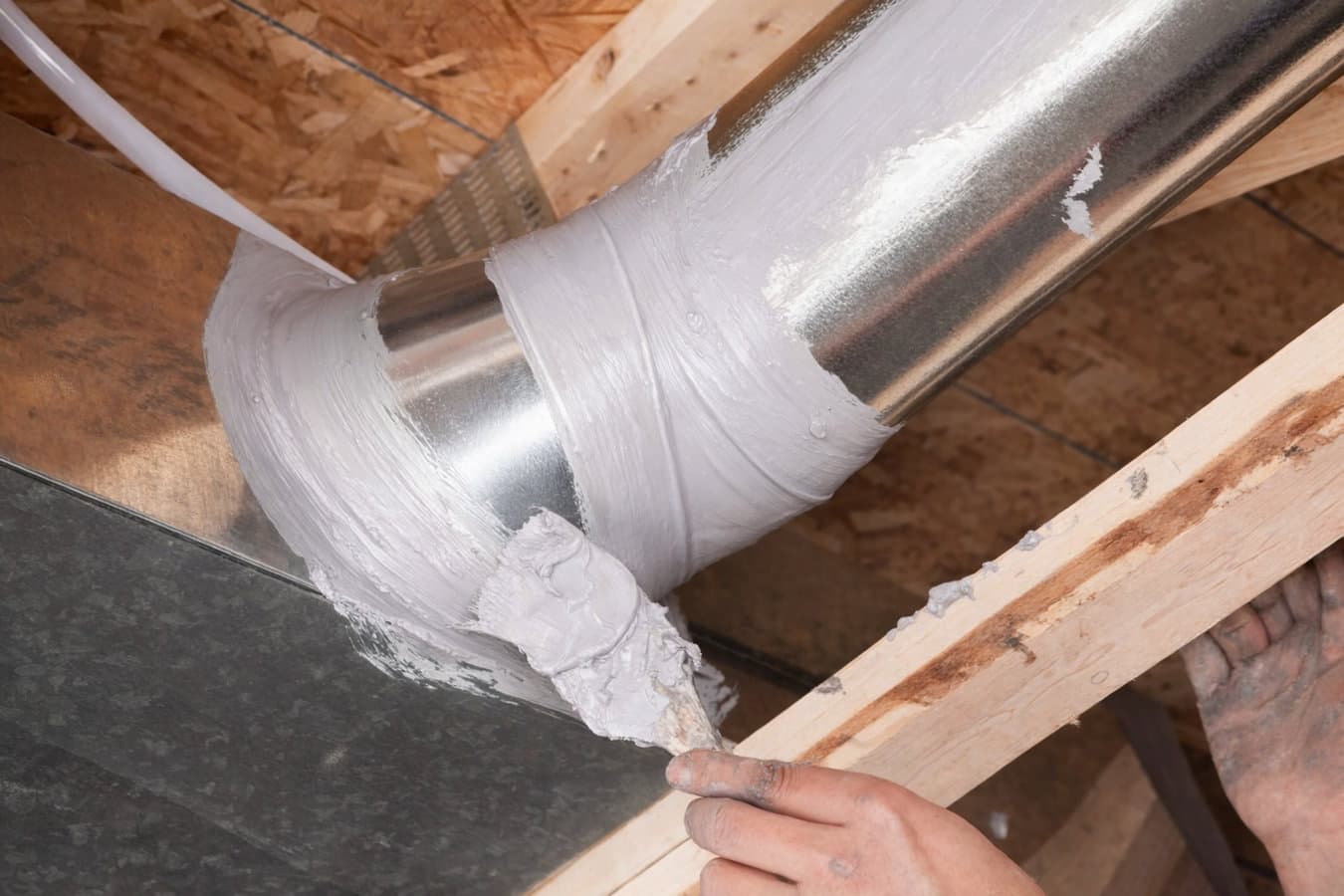
Insulation slows heat transfer, but it cannot stop air from moving through gaps. Air sealing closes those pathways so your heating and cooling system stops fighting against your own home.
Air sealing services in Sparks, NV locate and close the gaps, cracks, and bypasses in your home's shell where unconditioned outside air enters and conditioned indoor air escapes - most jobs take one to two days and include a blower door test before and after to measure the improvement.
The distinction between insulation and air sealing matters. Insulation slows the transfer of heat through solid surfaces, like walls and ceilings. Air sealing stops air from physically moving through openings: the gap where a pipe enters your attic floor, the joint where an interior wall meets the ceiling, the space around a recessed light can. In Sparks, where summer temperatures regularly exceed 100 degrees, hot attic air pouring through those openings can overwhelm even a well-insulated home.
Air sealing is often done alongside basement insulation or attic upgrades in the same visit, since the crew is already working in the places where most leaks originate. For homes with significant attic bypass problems specifically, our attic air sealing service focuses exclusively on the attic floor and the penetrations through it.
If your NV Energy bill climbs sharply each June and July without any change in habits, air leakage is a likely cause. In Sparks's triple-digit summer heat, even moderate gaps in your attic floor or around recessed lights force your air conditioner to run significantly longer than it should. A home that is hard to cool despite a functioning AC system is one of the clearest signs that conditioned air is escaping and hot outside air is getting in.
If bedrooms or rooms directly below the attic feel noticeably warmer than the rest of the house on a hot Sparks afternoon, hot attic air is finding its way in through gaps in the ceiling. This is especially common in homes built in the 1980s and early 1990s, where attic bypasses were rarely addressed during original construction. No amount of added insulation will fully solve this problem if the air gaps are still open.
Hold your hand near an electrical outlet on an exterior wall on a cold January night. If you feel cool air moving, that outlet is connected to the outside through gaps in the wall cavity. This is a simple test any homeowner can perform, and it is one of the most reliable indicators that your home's air barrier has significant gaps that are costing you money in both seasons.
In Sparks, where the surrounding high desert produces significant airborne dust, a home that pulls in outside air through gaps carries that dust inside. If you find yourself dusting the same surfaces every week and cannot explain why, air infiltration through the building envelope may be the reason. This symptom tends to be more pronounced in homes with attic bypass gaps above living spaces.
We start every air sealing project with a blower door test. This involves temporarily mounting a calibrated fan in your front door to depressurize your home, which makes air leaks easy to locate with a smoke pencil or thermal camera. The test gives you a real number - measured in air changes per hour - that tells you exactly how leaky your home is before any work begins. We run the same test when the work is done so you can see the improvement in black and white.
The sealing work itself targets the highest-impact leaks first: attic bypasses where interior walls meet the ceiling, gaps around recessed light cans, plumbing and electrical penetrations through the attic floor, and rim joist areas in the basement or crawl space. We use spray foam and caulk applied to structural surfaces, both of which are designed to last decades. For homes where the attic is the primary problem, our attic air sealing service concentrates on those bypasses specifically. For homes where basement rim joists and crawl space penetrations are also contributing, we can address both areas in the same visit.
Many homeowners schedule air sealing alongside basement insulation upgrades, since adding insulation to rim joists and basement walls without addressing the air gaps first limits how much of the insulation's potential you actually capture. Doing both together in a single project also typically qualifies for a higher combined rebate from NV Energy than either project alone.
Comprehensive blower door assessment and sealing of attic, crawl space, basement, and penetration points throughout the home.
Focused work on the gaps at interior wall tops, light cans, and pipe penetrations that let hot attic air pour into living spaces.
Foam and caulk applied to the band joist and foundation sill where significant leakage commonly occurs in older Sparks homes.
Combined project that pairs sealing with an insulation top-up, often qualifying for NV Energy combined rebates.
Sparks sits in a high desert climate at roughly 4,400 feet elevation, where summer temperatures regularly exceed 100 degrees and winter nights drop into the teens and 20s. That combination means your heating and cooling system is working hard for most of the year. When your home has significant air leaks, outside air at those extreme temperatures is constantly infiltrating your living space. Air sealing has an outsized payoff in Sparks compared to milder climates precisely because the temperature difference between inside and outside is so large for so many months.
Sparks grew rapidly through several building booms, and the older parts of the housing stock reflect it. Homes built before the mid-1990s in neighborhoods along the Spanish Springs Road corridor, in older subdivisions near downtown, and in Wingfield Springs-era developments were constructed before modern energy codes required attention to air barriers. Many of those homes have never had a professional air sealing assessment, which means they have been leaking conditioned air and pulling in outside air every day for decades.
We serve homeowners throughout the Reno-Sparks metro area. Homes in Reno face identical climate conditions and the same vintage housing stock issues. We also work regularly in Carson City and Fernley, where rapid residential growth in the 2000s produced homes that are now at the age where first-time energy efficiency upgrades deliver the most return.
We respond to all inquiries within 1 business day. When you reach out, we will ask a few questions about your home's age and what prompted your interest so we can come prepared with the right equipment. There is no cost to schedule an initial visit.
A trained technician sets up a blower door test to measure exactly how leaky your home is and identify the highest-impact problem areas. This takes about an hour and requires access to your attic, crawl space, and utility areas. You will see the before number before any work is scheduled.
After the assessment, we walk you through what we found and recommend the work that will make the biggest difference to your comfort and energy bills. You receive a written estimate before anything is scheduled. Take time to compare if you are getting multiple quotes.
Most jobs take one to two days, with the crew working in your attic, crawl space, and around mechanical penetrations. When the work is complete, we run a second blower door test and show you the before-and-after results. We also provide documentation for NV Energy rebate and federal tax credit applications before we leave.
Our blower door assessment gives you a real number, not a guess. Free, no obligation.
(775) 510-0154A contractor who skips the blower door test is guessing at your home's leakage, not diagnosing it. We include this test at the start and end of every job so you have a before-and-after measurement you can hold us to. The improvement is documented, not just claimed.
Our crews have air sealed homes across the Reno-Sparks area for years, so we know where these houses leak and how to fix it. We document what we seal and back it with before-and-after measurements, giving you a record of the work instead of just a promise it got done.
NV Energy offers rebates for qualifying air sealing and insulation projects, and we know what documentation the utility needs to process a claim. We provide that paperwork before we leave the job, so you are not chasing it down months later when the project is no longer fresh.
We have run blower door tests on homes across Sparks, including older neighborhoods near downtown and newer subdivisions that grew up with the Gigafactory boom. We know what the housing stock here looks like and where the leaks tend to be in homes of each era.
When you combine a documented blower door test with NV Energy rebate support and an experienced local crew, you get a project where you know what changed, why it matters, and that it was done by someone who does this work every week. The Building Performance Institute publishes the standards that govern this work nationally, and any contractor you hire for air sealing should be familiar with them. For information on federal tax credits currently available for air sealing improvements, the IRS Energy Efficient Home Improvement Credit page has the current program details.
Insulate and air-seal rim joists and basement walls in the same project to address two of the most common leakage points in Sparks homes.
Learn moreFocused sealing of attic bypasses, top plates, and penetrations for homes where the attic floor is the primary source of hot-air infiltration.
Learn moreCrews book out weeks in advance once temperatures start climbing. Calling today locks in your spot and puts NV Energy rebate timing on your side.