
Loading...
Serving Sparks, NV and surrounding areas. (775) 510-0154
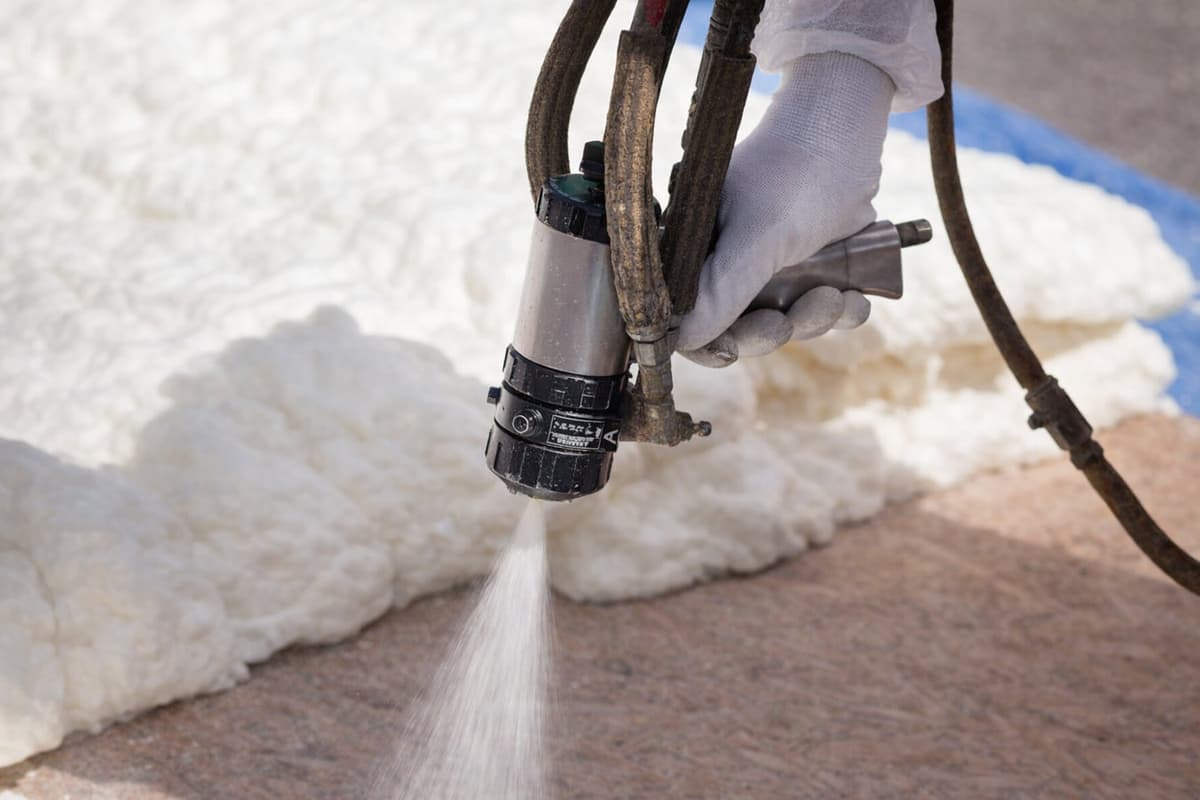
Sparks Insulation provides spray foam insulation, blown-in upgrades, and attic air sealing throughout Reno, NV. We serve homeowners in Midtown, South Reno, Northwest Reno, and neighborhoods near the university. Over the past three years, we have completed more than 300 insulation jobs across the Reno-Sparks metro area.
Reno's extreme temperature swings - from over 100°F in summer to below 20°F in winter - mean gaps in your building envelope show up fast on your energy bill. Spray foam insulation seals those gaps and insulates at the same time, making it one of the most effective upgrades for older Reno homes built in the 1970s and 1980s when insulation standards were much lower.
Attics in Reno homes can reach 130°F or more during summer afternoons, which forces your air conditioner to work overtime. Upgrading attic insulation - especially if your home still has the original thin fiberglass batts - cuts cooling costs significantly and makes upstairs rooms more comfortable year-round.
Blown-in cellulose or fiberglass is a cost-effective way to add insulation to an existing attic without tearing out old material. It fills gaps and settles into irregular spaces, and it's especially practical for homes in older Reno neighborhoods where attics are cramped and hard to access.
Even the best insulation won't perform if air is leaking around outlets, at the top of walls, or through gaps in the attic floor. Air sealing closes those leaks before adding insulation, which is why it's often the first step in a full energy upgrade.
If your attic has old, damaged, or contaminated insulation - from rodent activity, water damage, or decades of settling - removal is often necessary before installing fresh material. Reno homes built before the 1980s sometimes have vermiculite insulation that may contain asbestos, which requires specialized handling.
While most Reno homes are built on slab foundations, older homes closer to downtown sometimes have crawl spaces that were never properly insulated. Insulating the floor joists and installing a vapor barrier can eliminate cold floors in winter and reduce moisture problems year-round.
Reno sits at 4,505 feet above sea level in the high desert, and that elevation brings extreme temperature swings. Summers regularly top 100°F with intense UV exposure, and winters bring hard freezes with nighttime lows in the teens. The combination of hot, dry summers and cold, snowy winters puts constant stress on insulation, and homes built before 2000 - which make up the majority of Reno's housing stock - were insulated to standards that are now considered inadequate for comfort or efficiency.
Most homes in Reno are clad in stucco over wood-frame construction, and many were built during the 1970s and 1980s when the city was expanding quickly. These homes often have fiberglass batts that have sagged, compressed, or developed gaps over the past 40 to 50 years. Reno's soils are sandy and gravelly, which drains quickly but can shift under foundations and slabs, contributing to cracks in exterior walls where air leaks develop. The city also gets occasional heavy rain and flash flooding during late summer, which exposes drainage problems and can lead to moisture intrusion in crawl spaces or basements.
The Truckee River runs through downtown Reno, and neighborhoods along the river or in lower-lying areas near Midtown sometimes have older homes with crawl spaces rather than slabs. Those crawl spaces are rarely insulated properly, leading to cold floors in winter and higher heating bills. NV Energy serves the area and has offered rebates for insulation upgrades through its energy efficiency programs, but funding is limited and homeowners who wait until summer - when demand for contractors peaks - often miss out. Working with a contractor who understands Reno's building stock, climate, and local permit requirements makes the difference between a job that fixes the problem and one that just covers it up temporarily.
We have been serving Reno homeowners for three years, and our crews have completed more than 300 insulation jobs across the city during that time. We pull permits through the City of Reno Building and Safety Division regularly, and we know which projects trigger permit requirements and which do not. That familiarity keeps jobs on schedule and avoids surprises.
We work in every part of Reno, from the older neighborhoods near the University of Nevada campus and Midtown to the newer subdivisions in South Reno and Northwest Reno. We know the typical construction styles in each area - which homes have crawl spaces, which ones have vaulted ceilings, and where soil movement tends to cause air leaks at the foundation. The Reno Arch and the Truckee River are landmarks we pass every week, and we schedule jobs across the entire metro area without overextending our crews or compromising service.
We serve neighboring communities including Sparks and Carson City, and homeowners in those areas get the same response time and quality of work as those in Reno proper. If you call us in the morning, we respond within one business day, and we provide free estimates for every project before any work begins.
Call us or submit a request through our website. We respond within one business day and schedule a free on-site estimate at a time that works for you. You do not need to be present for the entire estimate, but we will need access to your attic or crawl space.
We inspect your current insulation, check for air leaks, and measure the areas that need work. We explain what we found, recommend a solution, and provide a written estimate with no pressure to commit. Most assessments take 30 to 45 minutes.
Most insulation jobs in Reno homes take one to two days. Attic-only projects are often completed in a single morning. If the work involves spray foam, we ask you and your pets to leave the house for 24 hours while the foam cures. We cover floors and work areas, and we leave the site clean when we finish.
After the work is complete, we walk you through what we did and answer any remaining questions. If permits were required, we handle the final inspection with the City of Reno. You receive a copy of all paperwork, and we follow up to make sure you are satisfied.
Call us for a free estimate. We serve homeowners across Reno, from Midtown to South Reno and everywhere in between. Local, experienced, and available 24/7.
(775) 510-0154Reno is Nevada's second-largest city with a population of about 265,000, and the broader metro area - which includes Sparks - is home to roughly 500,000 people. The city sits at 4,505 feet above sea level in the high desert of the Great Basin, which gives it a climate of cold, snowy winters and hot, dry summers. The Reno Arch on Virginia Street downtown is one of the most recognized landmarks in Nevada, and the Truckee River runs through the heart of the city, lined with parks and trails.
Most homes in Reno are single-family detached houses built between the 1950s and the 1990s, with a big wave of construction happening in the 1970s and 1980s. Stucco is by far the most common exterior finish because it holds up well in the dry desert climate. Older neighborhoods closer to downtown and near the University of Nevada campus have homes from the early 1900s, but they make up a smaller share of the total housing stock. Newer subdivisions on the city's edges - in South Reno, Northwest Reno, and areas bordering Sparks - were built in the 2000s and 2010s and tend to be larger, two-story homes on medium-sized lots.
Reno has grown quickly over the past decade as people relocate from California and other high-cost states, drawn by lower housing costs and Nevada's lack of state income tax. The median home value is now around $450,000 to $480,000, which is well above the national median. About 47% of housing units in Reno are owner-occupied, with the rest being rentals - a higher rental share than many comparable cities. The city's economy is driven by tourism, logistics, warehousing, and the University of Nevada, and major employers like Tesla's Gigafactory in nearby Sparks have brought thousands of new workers and families into the area in recent years.
Spray foam seals air leaks and insulates in one step for lasting energy savings.
Learn moreProper attic insulation keeps conditioned air inside and reduces heating and cooling costs.
Learn moreBlown-in insulation fills gaps and hard-to-reach areas quickly with minimal disruption.
Learn moreWhole-home insulation solutions that improve comfort in every room, every season.
Learn moreSafe removal of old, damaged, or contaminated insulation before a fresh installation.
Learn moreInsulating your crawl space prevents moisture problems and cold floors throughout the home.
Learn moreWall insulation reduces noise and drafts while improving year-round thermal performance.
Learn moreAir sealing closes gaps and cracks that allow conditioned air to escape the building envelope.
Learn moreBasement insulation controls moisture and makes below-grade spaces more comfortable.
Learn moreClosed-cell spray foam provides the highest R-value per inch and acts as a vapor barrier.
Learn moreOpen-cell foam expands to fill cavities completely and provides excellent sound dampening.
Learn moreSealing attic bypasses stops conditioned air from escaping through the ceiling.
Learn moreA vapor barrier under the crawl space keeps ground moisture from entering the home.
Learn moreProfessional vapor barrier installation protects insulation and structural materials from moisture damage.
Learn moreRetrofit insulation upgrades existing walls and ceilings without major construction work.
Learn moreCommercial insulation services designed to meet the performance and code requirements of business facilities.
Learn moreServing these cities and communities.
Call Sparks Insulation today for a free estimate. We serve all Reno neighborhoods and respond to every inquiry within one business day.