
Loading...
Serving Sparks, NV and surrounding areas. (775) 510-0154
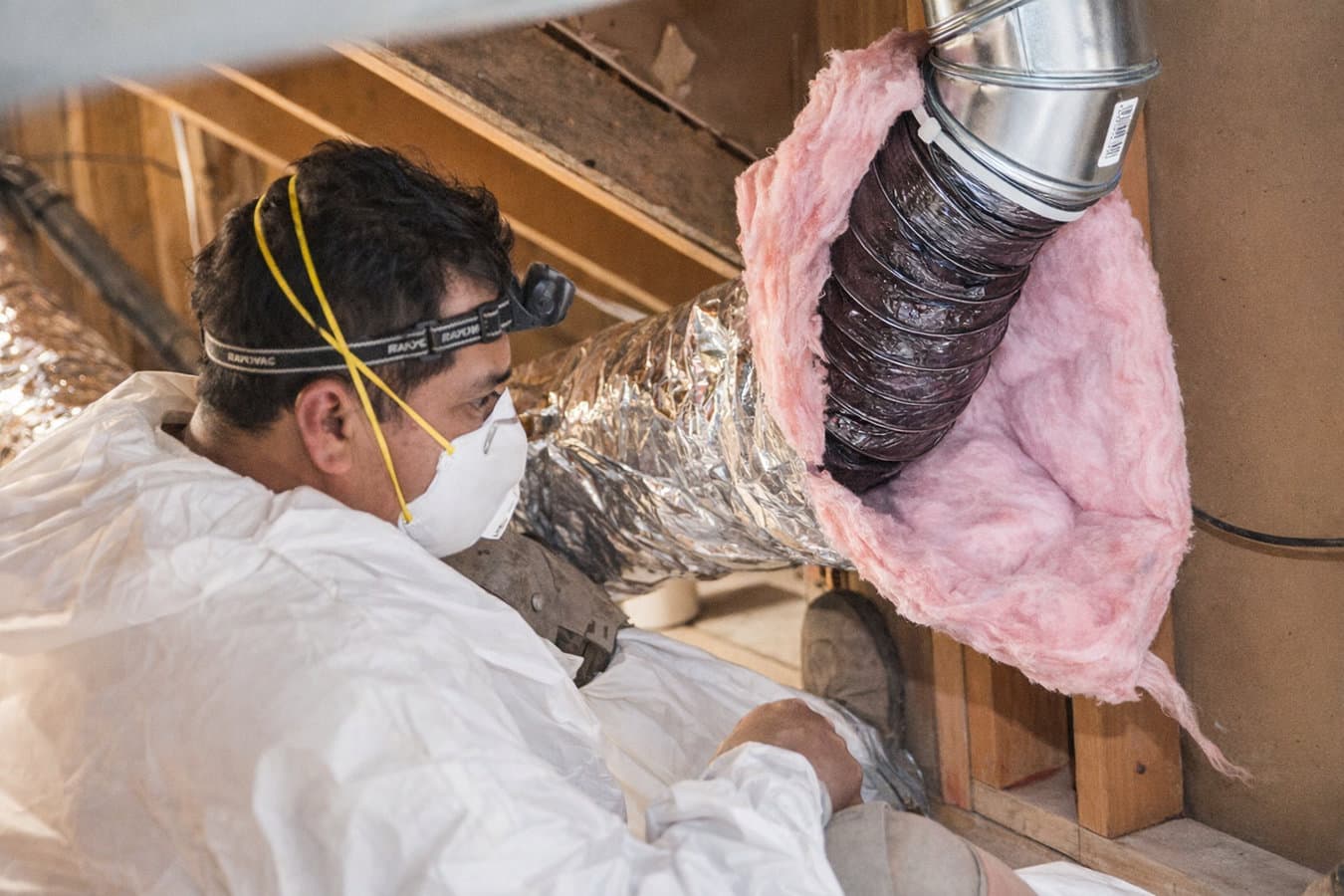
Gaps in your attic floor drain conditioned air year-round in Sparks, whether it is 105 degrees in July or 18 degrees in January. We find them and close them - usually in a single day.
Attic air sealing in Sparks, NV means locating and closing the gaps, cracks, and openings in your attic floor that let conditioned air escape and outside air get in - most standard homes are sealed in four to six hours, with the work done entirely above your ceiling while you stay home.
Insulation slows heat from moving through solid surfaces, but it cannot stop air from flowing through gaps. If your attic has unsealed holes around light fixtures, plumbing pipes, or where walls meet the ceiling, conditioned air pours through them regardless of how much insulation sits on top. Sealing first, then insulating, is the sequence that actually delivers results. For Sparks homeowners, where both summer cooling costs and winter heating bills are real budget items, addressing those gaps is often the single highest-return improvement you can make to your home.
Many homeowners combine this service with our air sealing services for a whole-home approach that addresses the attic floor along with other common leakage points throughout the building envelope. If you are also looking to add insulation depth over the sealed attic floor, our crawl space vapor barrier page explains how similar sealing principles apply below the home as well.
Sparks summers are genuinely hot, and if your cooling bills feel out of proportion to how comfortable your home actually is, your attic is a likely culprit. When hot attic air leaks down through ceiling gaps, your air conditioner runs longer and harder to compensate - and you pay for it every month from June through September. If neighbors in similar homes are paying less, the gap is worth investigating.
If the bedroom at the end of the hall is always warmer in summer or colder in winter than the rest of the house, that is a classic sign of air leakage. Conditioned air is escaping before it reaches those rooms, and outside air is finding its way in through gaps in the ceiling above. Even strong insulation depth will not fix this if the underlying gaps are unsealed.
In the Truckee Meadows area, fine alkaline dust is a fact of outdoor life, especially during windy spring months. If it keeps appearing indoors on furniture and countertops faster than seems normal, your attic gaps may be pulling it in every time your HVAC system runs. Sealing those gaps reduces both the dust load and the allergens coming in from outside.
If you own a home built in the 1970s or 1980s, common in Sparks neighborhoods like Spanish Springs and the older streets near downtown, and no one has ever done energy work in the attic, there is a very good chance it has significant air leaks. These homes were built to the standards of their era, which did not include the air sealing practices used today. The gaps have been present and active since the day the house was built.
Our technicians enter your attic through the access hatch and work systematically across the attic floor, sealing every gap they find using foam, caulk, or purpose-made tape. The targets are the places where something passes through the ceiling plane: recessed light fixtures, plumbing stacks, wires, HVAC boots, the wall top plates where interior walls meet the attic floor, and the attic hatch itself, which is one of the most commonly overlooked leakage points in any home. The work happens entirely above your ceiling; your living space is untouched.
Most projects combine attic air sealing with blown-in insulation added directly on top of the sealed floor in the same visit. Sealing without adding insulation leaves money on the table, and adding insulation without sealing first means air still moves freely through the gaps underneath. If your project also extends to the whole-house level, our air sealing services page describes how we approach leakage points elsewhere in the building envelope, including basement rim joists and wall penetrations.
For homeowners who want a measurable result before and after the work, we can arrange a blower door test through a third-party energy assessor. This gives you a concrete number showing how much the air leakage was reduced, which also helps with documentation for NV Energy rebate applications and federal tax credit claims.
Best for homes where the attic floor has never been sealed and penetrations around lights, pipes, and wiring are open to the living space below.
Suited to homeowners who want to address both air leakage and insulation depth in a single project and a single visit.
For homes where the access hatch is uninsulated and unsealed, creating a significant and easily correctable leakage point.
Ideal for homeowners tackling attic, basement, and wall penetrations together as part of a comprehensive energy upgrade.
Sparks sits at roughly 4,400 feet in the high desert, and the climate swings hard in both directions. Summer highs regularly push past 100 degrees while winter nights can drop well below freezing. That means your attic is fighting heat gain in July and heat loss in January - two different problems that both get worse when air is leaking through gaps in the ceiling. Homeowners in Sparks get a double payoff from air sealing because the savings show up in both summer cooling bills and winter heating bills, not just one season.
A large share of Sparks homes were built during the rapid growth of the 1970s through the 1990s, under building codes that did not require the air tightness standards used today. Many of those homes have attics full of unsealed gaps that have been leaking conditioned air for 30 to 50 years. Most homeowners have no idea, because the gaps are hidden above the insulation. The Washoe County Building Department notes that dry, dusty desert conditions make attic leakage more visible as an indoor air quality issue, and the ENERGY STAR Seal and Insulate program identifies attic sealing as one of the highest-return efficiency improvements available to homeowners.
We serve customers across the Truckee Meadows. Homeowners in Reno face the same high-desert conditions and older housing stock as Sparks and represent a large share of our attic work. We also regularly serve homes in Fernley and Carson City, where a mix of older homes and rapid 2000s-era development has created the same pattern of under-sealed attics we see throughout northern Nevada.
We will ask a few quick questions: your home's approximate size, when it was built, and whether any insulation work has been done before. Most ballpark estimates can be given over the phone, and we schedule a free in-home assessment within a few days. We reply to all requests within one business day.
A technician visits your attic, typically through the hatch in a hallway or closet, checks insulation levels, locates visible gaps, and measures the accessible area. The visit takes 30 to 60 minutes. You receive a written estimate specifying the scope of work and total price before anything is scheduled.
Clear a path to the attic hatch and move anything stored directly under it. If you have belongings in the attic itself, let us know and we will work around them or shift what is needed. That is genuinely all the preparation most homeowners need to do. You can stay home the entire day.
Our crew works across the attic floor sealing every gap, then adds blown-in insulation on top if that is included in your project. The work is not loud or disruptive. Most standard Sparks homes are done in four to six hours. Before leaving, we walk you through what was done and confirm next steps for any rebates you may qualify for.
Free estimate, no obligation. We will come out, assess your attic, and give you a written quote. NV Energy rebate guidance included at no charge.
(775) 510-0154Our crews seal attics across the Sparks area week in and week out, so we know where conditioned air escapes and how to stop it. We document what we seal with photos before insulation covers it, giving you a clear record of the work instead of just our own assurances.
We provide photos of every area sealed before insulation covers it, so you can see exactly what was done. For homeowners who want a measured result, we can coordinate a blower door test through a third-party assessor. You should know what you paid for — not just take a contractor's word for it.
NV Energy serves Sparks and runs efficiency rebate programs that qualifying attic projects can tap into. We know the documentation requirements and will walk you through what you need to submit. Federal tax credits for energy efficiency work may also apply, and we can help you understand what qualifies under current rules.
We have worked in older Sparks neighborhoods near Victorian Square and in newer Spanish Springs subdivisions along Pyramid Highway. The homes are different and so is the work - older homes have more gaps and require more sealing time, while newer ones often just need the attic hatch and a few penetrations addressed. We know what to expect in both.
The Building Performance Institute sets nationally recognized standards for home energy work, and we align our attic sealing practices with those guidelines. When an assessor or inspector looks at our work, it holds up - and that matters when you are applying for rebates or selling your home.
Apply the same sealing logic below your home's floor to stop moisture and outside air from entering through the crawl space.
Learn moreExtend attic sealing across the full building envelope, addressing leakage points in walls, basement rim joists, and other penetrations.
Learn moreBeat the summer heat. Get your attic sealed before Sparks temperatures climb past 100 degrees and your cooling bills follow.