
Loading...
Serving Sparks, NV and surrounding areas. (775) 510-0154
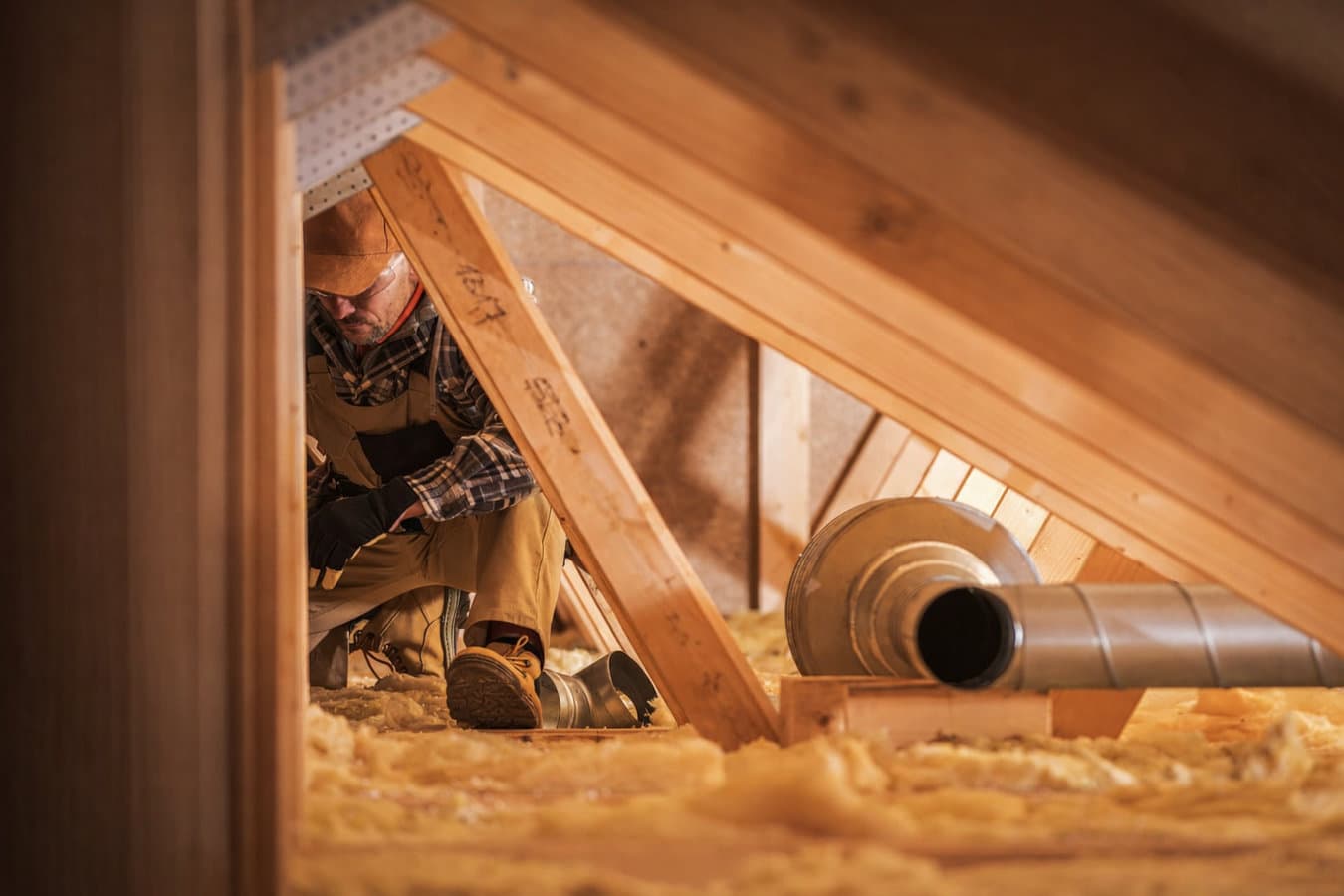
When your home leaks heat in July and cold in January, no thermostat setting fixes it. Proper insulation stops that cycle and cuts the energy bills that come with it.
Home insulation in Sparks slows heat movement through your walls, attic, and floors so your heating and cooling system does not have to run constantly -- most standard attic insulation jobs in a single-family home are complete in one day and require no building permit for a straightforward upgrade.
Sparks sits in a high desert basin at about 4,400 feet. Summer highs regularly push past 100 degrees and winter nights can drop below 20 degrees. That range demands more from your home's insulation than a milder climate would. A large share of Sparks homes were built during the growth booms of the 1970s through 1990s, when energy codes required far less insulation than what is now considered adequate for this region. If your home was built before 2000, there is a strong chance it is losing energy through the attic every single day.
A full home insulation assessment looks at attic coverage, wall cavity fill, and crawl space conditions together. If your attic is the main concern, our dedicated insulation removal service handles damaged or contaminated material before new insulation goes in, and our retrofit insulation work adds coverage to finished spaces without a major renovation. The U.S. Department of Energy estimates that properly insulating and air sealing a home can cut heating and cooling costs by 10 to 20 percent or more.
If rooms directly below your roof are noticeably hotter than the rest of the house during Sparks's long summers, your attic insulation is likely thin or missing in spots. Heat radiates down through an under-insulated ceiling and makes those rooms nearly unbearable even with the AC running. This is one of the most common complaints from Sparks homeowners, and it is almost always fixable.
Sparks summers are long and hot, and air conditioning accounts for a large share of annual energy costs. If your bill climbs sharply in summer or seems high compared to neighbors with similar-sized homes, poor insulation is one of the first things worth checking. A quick attic inspection can tell you whether your cooling system is working overtime because heat is pouring in through an under-insulated ceiling.
Hold your hand near an electrical outlet or light switch on an exterior wall on a cold winter day. If you feel cool air coming through, it means air is moving freely through gaps in your wall insulation or around the electrical boxes. This is a sign that both insulation and air sealing need attention, and it is something you can check yourself in about five minutes.
Homes built in Sparks during the 1970s, 1980s, and 1990s were constructed to energy codes that are now considered outdated. If you have never had insulation added or replaced, there is a strong chance your attic has far less material than is now recommended for this climate. You do not need to wait for a problem to appear before having it assessed.
Most Sparks homeowners who call us start with the attic. It is the highest-impact location for an insulation upgrade because heat rises and attic floors are the primary path for heat gain in summer and heat loss in winter. We use blown-in insulation for attic top-ups because it fills every corner and settles into irregular spaces that batt insulation leaves exposed. For homes where the existing material is damaged or contaminated, we remove it completely before installing new insulation to the current recommended depth.
Wall insulation is the second most common request from Sparks homeowners, especially in 1980s and 1990s tract homes where wall cavities were never fully filled. We can introduce blown-in material through small access holes, which avoids drywall removal in most cases. For homeowners with vented crawl spaces, enclosing and insulating the crawl space eliminates a significant source of cold floors and moisture in winter. These services can be combined into a single project or scheduled separately depending on your budget and priorities.
Air sealing is part of every job we do. The ENERGY STAR program identifies air sealing as the most important step in any insulation upgrade because gaps around light fixtures, plumbing, and attic hatches let conditioned air escape directly into unconditioned space, bypassing the insulation entirely. We seal those gaps before any material goes in.
The highest-impact upgrade for most Sparks homes, especially pre-2000 construction.
Older homes where exterior walls were never properly filled with insulation.
Homes with a vented crawl space that lets cold or hot air contact the floor above.
Sparks experiences some of the widest temperature swings of any mid-size city in the western United States. Summer afternoons regularly push past 100 degrees Fahrenheit, while January nights can drop below 20 degrees. Your insulation has to perform in both directions, and a home that is barely adequate in one season will fall short in the other. Homeowners in Reno and Carson City face the same conditions, and we serve those communities regularly.
The Reno-Sparks area averages only about 7 inches of rain per year. While the dry climate reduces the risk of mold in insulation, the low humidity can mask moisture problems from roof leaks or plumbing condensation until they have already damaged existing insulation significantly. When we do an in-home assessment, we check for moisture damage as part of the estimate so you know exactly what you are working with before any work begins.
Neighborhoods in Sparks that were developed during the 1980s and 1990s -- areas like Spanish Springs and the older tracts near Victorian Square -- tend to have attic insulation that has settled well below the recommended depth for this climate. These homes were built to energy standards that have since been significantly revised. A single upgrade brings them in line with what is now considered the baseline for a comfortable, energy-efficient home in northern Nevada.
When you reach out, we ask a few questions about your home's age and size. We reply within 1 business day and can usually schedule a free in-home estimate within a few days.
We inspect your attic and any other areas of concern, measure current insulation depth, and check for moisture damage or gaps. You receive a written quote that explains the scope and separates each part of the cost.
The crew arrives with all equipment, lays down protective covers, and handles all materials. Air sealing happens first, then insulation goes in to the correct depth. Most single-family attic jobs in Sparks wrap up in one day.
Before leaving, we walk you through the finished work so you can see the installed depth yourself. We provide the documentation you need for any NV Energy rebate application.
We respond within 1 business day. The estimate visit is free and takes about 30 to 45 minutes. There is nothing to sign until you decide to move forward, and we will show you exactly what we found and what we recommend before you make any decision.
(775) 510-0154We insulate homes across Sparks every week, and we can show you photos and reviews from jobs in your area. You get a written estimate before we start and clear documentation of the finished work, so there are no surprises.
We seal gaps around light fixtures, plumbing, and attic penetrations before adding insulation. Skipping this step means conditioned air escapes right past the new material and your bills stay high. The DOE and ENERGY STAR both identify air sealing as the most important step in any insulation upgrade.
We have worked on homes across Sparks since 2022, from tract homes built in the 1980s near Victorian Square to the newer construction along Pyramid Highway. Every era of Sparks housing has its own insulation challenges, and we know what to look for in each one.
NV Energy rebates require precise documentation of materials, depth, and square footage. We provide everything your application needs at no extra charge, so you are not chasing paperwork after the job is done.
We put the full scope of work in writing before we start and document the finished job with photos, so you always know exactly what was done. Between our local experience, our air sealing process, and our rebate documentation, every part of the job is designed to protect your investment and make sure you capture every dollar available to you.
Safe removal of damaged, contaminated, or settled insulation before new material goes in.
Learn moreAdding insulation to an existing finished home without major demolition or renovation.
Learn moreSummer installation slots fill up fast -- schedule your estimate now and be ready before the hottest months arrive.